Japanese Vending Machines

Learn why Japanese vending machines are everywhere

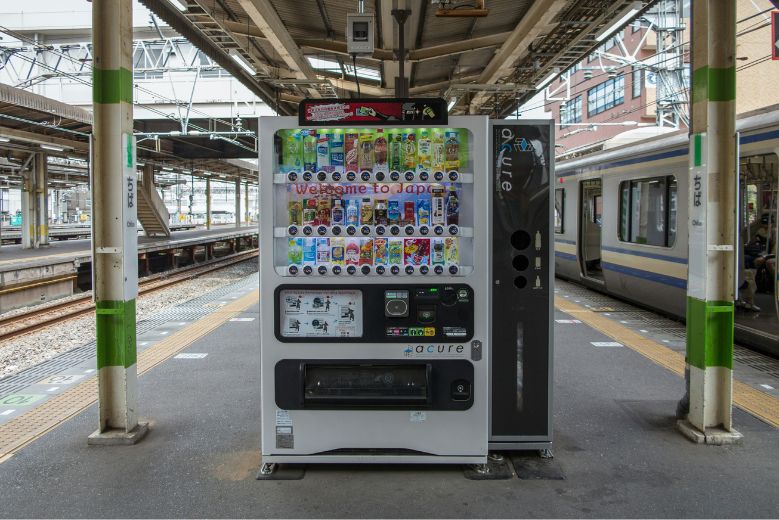
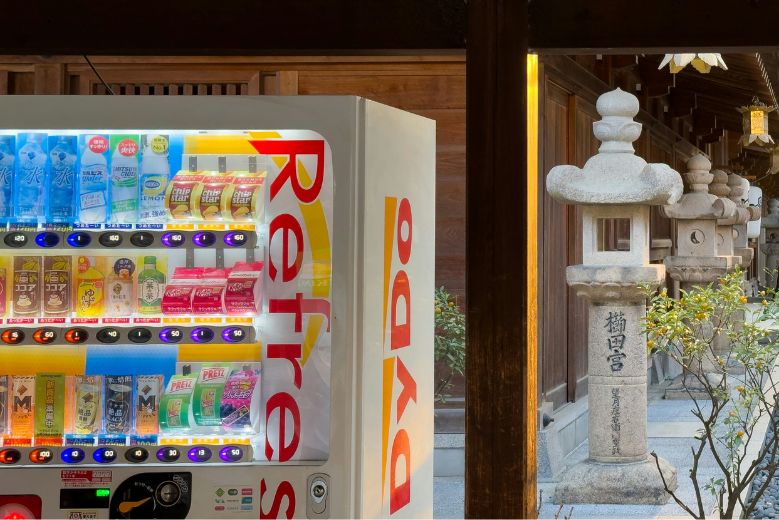
A white Japanese vending machine at Chiba Station, with a train on the right side.

Japanese vending machines are a cultural icon in themselves. With over 5.5 million vending machines across the country, you are never far away from one. From the busiest train stations in Japan to seemingly remote locations, cold and hot drinks are readily available and affordably priced. You can even find vending machines on the top of Mt. Fuji. 

What makes Japanese vending machines so special?

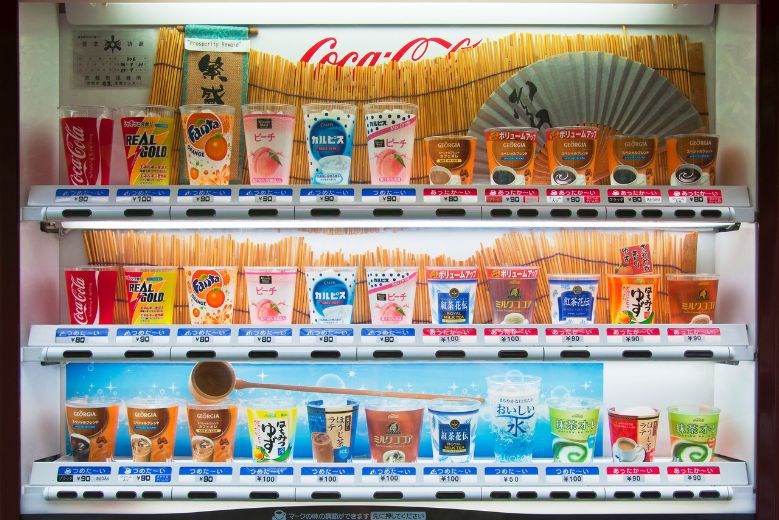
At the end of the day, Japanese vending machines are just simply vending machines, and pretty much as they do around the world. But what separates the vending machines in Japan apart from the rest of the world is how nicely presented the items on display are. Compared to North America, where vending machines are typically big hunks of metal with a backlit Coca-Cola logo, Japanese vending machines are designed to be bright, colourful, and visually appealing. Rather than relying on oversized corporate branding, they showcase the products themselves, with neatly arranged displays, vibrant packaging, and illuminated rows of drinks and snacks that almost act as advertisements in their own right.

Hot and Cold Drinks

What is often surprising, you can find both cold AND hot drinks in vending machines. In most vending machines, the cold drinks are usually the typical carbonated drinks such as Coca-Cola or Pepsi (and their various other brands), waters, cold tea and cold canned coffee. In the hot section, you can find warm cans of coffee, tea, and occasional some sort of warm canned soup. 

To differentiate between hot and cold drinks, there is usually a label underneath the product itself, which reads つめたい (tsumetai) for cold drinks and are usually blue, while あたたかい (atatakai) is for warm/hot drinks and is usually red. It should be noted that there is sometimes some variation in the wording used, often using a tilde, such as つめた~い or あたたか~い. 

つめた~い

あたたか~い

What can you get from Japanese Vending Machines

Due to the popularity of vending machines across Japan and a culture that values convenience, vendors have taken the opportunity to sell a wide range of other products in them. While the majority of machines will sell the same standard offerings, particularily those branded Coca-Cola, Pepsi, or Boss Coffee. However, outside these main-brand vending machines, you might find some surprising items for sale.  If it can fit through the vending flap, then it can go, and probably is in a vending machine. 

CommonUncommonRare
Bottled WaterConvenience store fresh foodKeychains
Canned CoffeeIce creams & or other snacksPremium snacks
Green Tea BottleCigarettes & alcoholHot, ready-to-eat meals
Cola DrinkHot corn soup canMystery prize

Interestingly, you can purchase cigarettes and alcohol in vending machines, with little to no age verification to prevent purchases for those underage. 

Typical price range

For your standard vending machine, you’re looking at around 100 to 200 yen for most items in the standard /common range. Depending on the location, the price does fluctuate. The more generally inconvenient and little competition it is to restock, such as the top of Mt.Fuji, the prices go up, whereas in areas with higher competition, you’ll find prices are more reasonably priced

Purchasing from vending machines

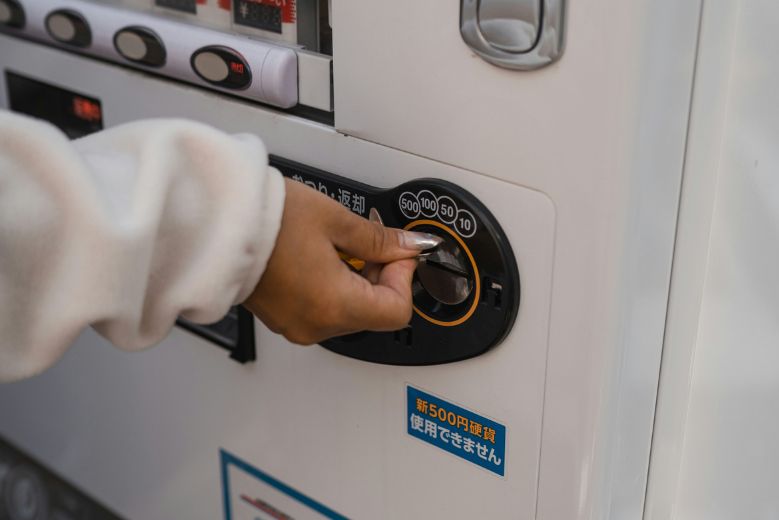
A hand inserting coins into a Japanese vending machine.

Once you get over the initial shock of the different layout of the vending machines in Japan, you’ll find that ordering from a vending machine works pretty much the same around the world. 

  1. Look at the selection of drinks or items displayed on the front of the machine. Prices are usually shown underneath each item.

  2. Insert your money into the slot. Most machines accept 10, 50, 100, and 500 yen coins, ¥1000 notes, and cashless payment methods are also available at most train stations and busy areas.

  3. After payment, the buttons for available items will light up. Some machines separate hot and cold drinks using red and blue labels.

  4. Press the button for the item you want. The product will drop into the collection tray at the bottom of the machine.

  5. Take your item and collect any change from the change return slot before leaving. Recycling bins are often located nearby for empty bottles and cans.

So, why does Japan has so many vending machines?

With over 5.5 million vending machines in Japan, you might be wondering, why does Japan have so many vending machines? With high population density and low crime rates, vending machines have taken over the streets of Japan in numbers that rival the populations of small countries. Combined with a convenience-focused culture and the need for 24/7 accessibility in large urban areas, vending machines are able to seamlessly fill the day-to-day drink needs of Japanese locals. Today, Japanese vending machines play a distinct role in modern Japanese culture. 

Related Articles

Ramen is a popular noodle dish in Japan

Dining Etiquette

Japanese Table Manners

Staying connected to the Internet is important while travelling Japan

Staying Connected With a Japan SIM Card

Get connected to Japan's Mobile Network
Onsen Etiquette

Onsen Etiquette

The basics of Japanese Onsen Etiquette

coin lockers in train stations are a great place to store luggage in Japan

Where to Store Luggage in Japan

Your guide to travelling Japan unincumbered

While Shinkansen (bullet train) with a blue stripe on the side at a train platform. Train Etiquette.

Train Etiquette

Manners for taking the trains in Japan
Overtourism in Japan is a serious problem, particularily are instagram spots such as Senso-ji Temple, in Tokyo.

Overtourism in Japan – Why, and What You Can Do to Still Enjoy Your Trip

The basics of overtourism in Japan

Scroll to Top