Guide to Typhoons in Japan

Key Information for travelling Japan during a typhoon

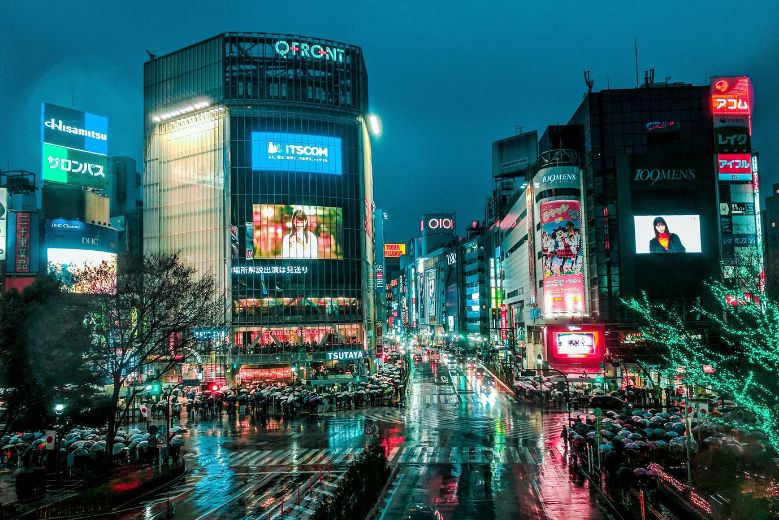
A rainy night in Tokyo after a Typhoon in Japan

Typhoons (台風, taifū) are a common occurrence in Japan, especially during the typical typhoon season. These powerful storms can bring intense winds up to 200km/h, heavy downpours of rain, and thunderstorms across parts, if not most, of the country. Japan treats typhoons seriously, even when they aren’t forecast to be severe.

While typhoons vary considerably in strength and size, even a storm that does not make direct landfall can disrupt travel. Heavy rain and strong winds can lead to cancelled or delayed flights, suspended train services, ferry cancellations, road closures and temporary closures at popular tourist attractions. Areas along the coast and in southern and western Japan are typically the most exposed and vulnerable to typhoons, although typhoons can affect destinations across the country.

Typhoons form over the North Pacific Ocean and typically impact Asia. Hurricanes, cyclones and typhoons are the same natural phenomenon, changing names depending on location. 

When is Japan's typhoon season?

Japan’s typhoon season generally runs from May through October, although typhoons can occur outside this period. The greatest risk is usually in August and September, when Japan is most often affected by tropical storms.

It should be noted that while typhoon season is from May to October, there is no guarantee of whether or when a typhoon might hit Japan, with some years experiencing more typhoons than others. Generally speaking, around 20-30 typhoons per year have some sort of impact on Japan, while only a handful make landfall each year. 

Planning your trip around Typhoons

While you really can’t do much about a typhoon if you book your tickets several months in advance, but you can prepare yourself in the unlikely event that your trip may be impacted by a typhoon. 

Check the weather: In the days leading up to your trip, visit Japan’s meteorological agency to view forecasted weather and potential typhoon activity. This might not give you the whole forecast for your whole trip, but it will give you an indication of potential weather to expect. As with all weather, it can change rapidly and be unpredictable. Throughout your trip, be sure you are regularily also checking the weather, especially in the days leading up to a change of cities or areas.

Be flexible & adaptable: If you see bad weather or typhoon conditions for your next destination, it might be worthwhile either staying put or exploring another part of the country away from the weather. It may be worthwhile paying just a little bit extra when booking a hotel to have the flexibility to cancel or reschedule your stay for free. If you are booking your hotels yourself, we recommend using Booking.com as we find this the easiest for cancelling, changing and self-managing hotel stays. This may mean you have to either delay your stay elsewhere in the country, curtain where you are to head somewhere clear of the weather, or stay put where you are. 

Try not to stress about it: Typhoons are a real possibility when travelling in the middle of Typhoon season, but that doesn’t mean you have to avoid travelling to Japan during that period. Instead, just be mindful that you might have to change your plans at some stage, and that’s OK. 

What to do up to, and during Typhoon

If you find yourself caught out in a typhoon, don’t panic and stay calm. Here are some helpful tips to keep yourself safe;

Prepare in advance: If you have a day or two warning, be sure to put together an emergency kit and grab-bag. Go to sleep in clothes you are comfortable going outside in if you had to evacuate. This includes also researching where the nearest evacuation area is if needed.

Get your emergency supplies early: If you might be caught in a Typhoon, get your supplies as early as possible. Get supplies like bottled water, non-perishable food, medications & basic first-aid equipment, toilet paper, sanitary items, power banks, flashlights, towels duct tape, and face masks. Make sure electronics are charged up, and stored in waterproof bags overnight incase you wake up to flooding.

Stay put: Only go outside if it is necessary – otherwise, stay indoor and stay dry. If you’re on a holiday and your hotel has a laundry machine, make good use of it on days like this. 

If you go out, avoid the coast and rivers – water levels can climb rapidly during tyhpoons, making them dangerous to go sightseeing at. 

Sleep above ground level: If you can, be sure to avoid sleeping on the first floor of a building. In the event of severe flooding, you will be safer the higher you are. 

Evacuate if required: If you’re staying at a hotel or other commercial accommodation, it is likely that someone from the staff will brief you or staff will guide you in case of an evacuation.

Often during an emergency, loud sirens will play on an emergency broadcast system.

Emergency Numbers

If you find yourself needing help, it’s important to know who to call in an emergency. Here’s a simple list of emergency numbers and more details, should you need them.


  • 119—You can call this number in case of a fire or if you are in need of an ambulance/rescue service. English may not be immediately available, so you may be asked to hold for a few moments while an interpreter can be found so you can get the help you need. 


  • 03 3201 3331—This is the number to Japan National Tourism Organization’s Tourist Information Center, who can help with queries regarding emergencies, illnesses, and general travel disruptions.
 

Explore Japan

More useful information

Getting a Japan Rail Pass is the easiest way to explore Japan, and see some of Japans natural attractions, and getting a JR Pass is one of our tips for travelling to Japan.

Japan Rail Pass

Unlock Japan with the Japan Rail Pass
coin lockers in train stations are a great place to store luggage in Japan

Where to Store Luggage in Japan

Your guide to travelling Japan unincumbered

For many first time travellers to Japan, you might have many questions about Japan, or need some clarification on the subject. Here's how we can help.

Frequently Asked Questions About Japan

Most commonly asked questions

Bicycles are a great way to explore Japan, but Japan treats bikes differently than most countries.

Cycling in Japan – What you might want to know

General rules of thumb for cycling in Japan

Ferry for accessing Miyajima

Accessing Miyajima

How to get to the famous island of Miayjima
Explore more helpful information

5 Facts About Japanese Trains

5 Facts About Japanese Trains

Learn about Japan's famous trains

A person in front of a hot spring bath, at a ryokan in Hakone. Ryokans in Hakone are world renowned, and we highly recommend staying at one.

5+ Things you’ll regret skipping in Japan

Getting the most out of your trip

Hakone Shrine torii

Accessing Hakone from Tokyo

How to get to Hakone From Tokyo

Ferry for accessing Miyajima

Accessing Miyajima

How to get to the famous island of Miayjima

A hole in the wall ramen shop, where dining etiquette truly matters, as seats are often sparse and turnover quickly. Knowing what you can and can't eat in Japan is important, japan allergy information is contained in this article.

Can I eat it? Navigating Japan with Food Allergies

Eating in Japan with food allergies

Bicycles are a great way to explore Japan, but Japan treats bikes differently than most countries.

Cycling in Japan – What you might want to know

General rules of thumb for cycling in Japan

Scroll to Top