Japan is one of the hottest travel destinations, bringing in over 40 million international visitors each year. With so much to see and do, itineraries can fill up very quickly – especially since Tokyo, Osaka, and Kyoto have so much to offer. However, far too often, we see visitors skipping out one some of the best things Japan has to offer, and instead just sticking to what’s most viral or convenient for tourists.
From regional specialities and local festivals to lesser-known attractions and unique cultural experiences, Japan has far more to offer beyond its most famous sights. Some of the country’s most memorable experiences can be found away from the major tourist centres, often in places that receive only a fraction of the visitors.
1. Eating at a non-viral restaurant
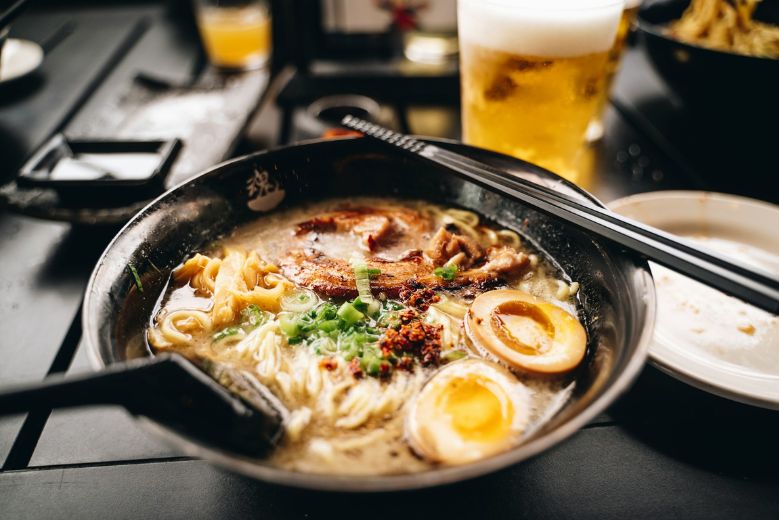
Not every meal has to be sensational – a viral hit with lines around the block. Don’t get us wrong, go all out for whatever viral foods you want- they most are viral for a reason and 100% worth trying. However, many of the best meals in Japan often don’t come from restaurants with lines as far as the eye can see, or from restaurants with the English menu on a digital ordering kiosk – they come from the quiet back streets.
Yes, it can be intimidating going into a restaurant without knowing what you’re getting into, especially if you can’t speak or read Japanese. In today’s tech era, translating a menu is no harder than opening an app, so you can explore it with ease. Going away from the viral and tourist-friendly restaurants enables you to truly experience Japanese hospitality and food culture. While you’re out exploring and a delicious smell catches your attention, don’t be shy about exploring it.
Why do so many restaurants have 3 star ratings?
If you’ve looked at the online reviews for restaurants in Japan, you may notice that many of them have seemingly low reviews. This is because Japanese locals tend to score differently compared to western countries. 3/5 Star review often means that the meal was good. 4 stars usually means that the meal was amazing, and a 5-star rating typically means that the meal was exceptional. A Japanese 3-star rating is more closely aligned with a Western 4-star rating, so don’t let a 3.5-star rating turn you away from a restaurant. However, it should be noted that the score can be skewed if the restaurant is in a busy tourist area, where people rate more closely according to Western norms.
2. Staying in a Ryokan
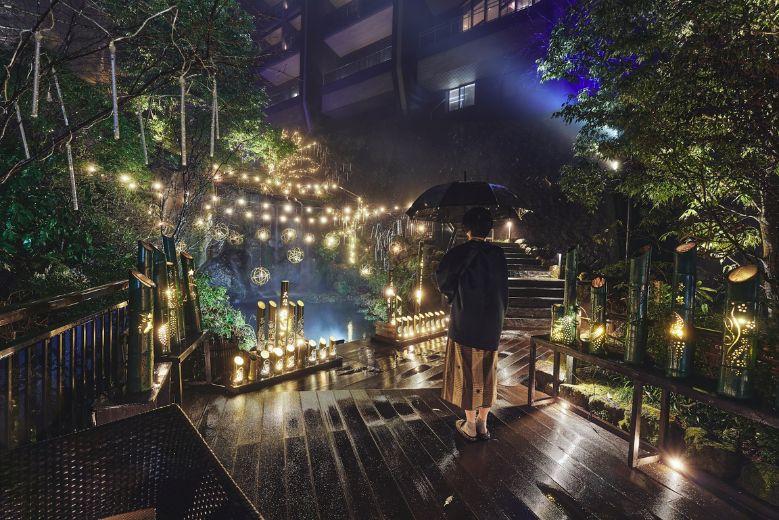
Staying in a ryokan is one the best ways to experience true Japanese hospitality. While typically more expensive that a traditional hotel tourists typically stay in, the ryokan experience is unmatched in Japan. From traditional style rooms, kaiseki dining, and relaxing onsen baths, ryokans are an attraction in their own right.
Generally speaking, a lot of itineraries include a day trip to places like Hakone or Miyajima, and return to Tokyo or Hiroshima/Osaka at the end of the day. While this can be a convenient way to experience these destinations, it also means spending much of your time travelling to and from them, often during the busiest parts of the day. Instead of treating these destinations as a quick day trip, we recommend considering an overnight stay in one or both areas. Staying overnight gives you considerably more time to explore at a relaxed pace, while also allowing you to experience these places after many of the day-trippers have left. This can make a noticeable difference, particularly in popular destinations such as Miyajima, where the atmosphere can change considerably once the crowds begin to thin out.
An overnight stay can also turn the destination itself into part of the experience. In Hakone, for example, staying at a traditional ryokan with an onsen allows you to enjoy one of Japan’s classic accommodation experiences, while Miyajima offers the opportunity to explore the island in the quieter morning and evening hours.
Pro travel tip:
For the best ryokan experience, we recommended finding a ryokan outside of the larger cities. The best ryokans are often the ones tucked away in a remote village, or in a historic part of town – not usually in the midst of modern Japan.
3. Exploring beyond Tokyo, Osaka & Kyoto
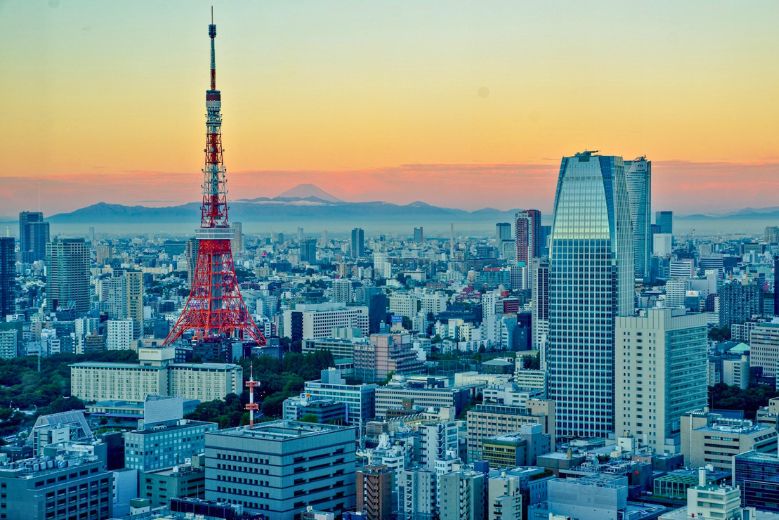
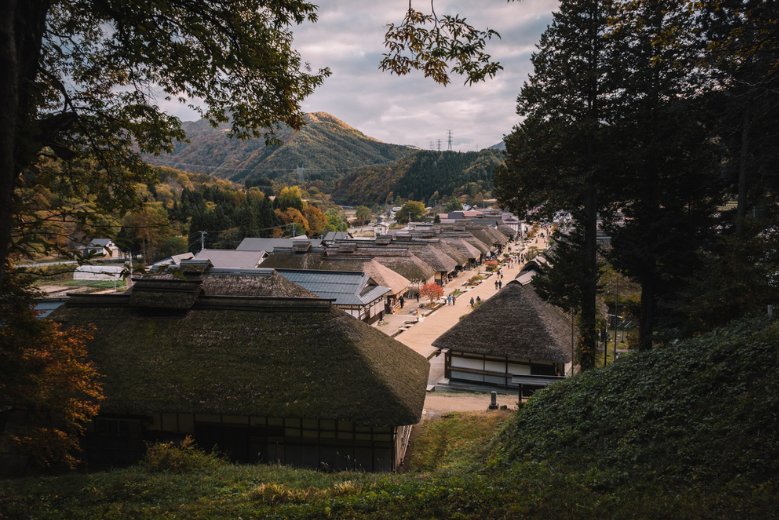
Tokyo, Osaka, and Kyoto are the busiest destinations for tourists by far, and it’s not hard to see why. These cities make up the Iconic Japan experience, with many travellers only visiting these three cities – and maybe one day trip somewhere nearby. While the major cities are incredible, not exploring beyond these cities is truly regrettable.
While there is certainly plenty to see and do in Tokyo, Osaka and Kyoto, limiting a trip to these major cities means missing a huge part of what makes Japan such an interesting destination. Japan is remarkably diverse, with each region offering its own food, traditions, views, culture, and more. From the mountains and hot springs of rural areas to coastal towns, historic cities and remote islands, there is an enormous amount to discover beyond the country’s most visited destinations.
Even adding just one or two destinations outside of the three major tourist cities opens your trip up and instantly makes it more memorable. You might spend a night in a mountain town, explore a historic castle town, visit a regional festival or simply experience a quieter side of Japan away from the major tourist crowds. If your itinerary allows, we strongly recommend looking beyond the country’s three major tourist cities and giving yourself the opportunity to experience more of Japan.
4. Trying a regional speciality dish
5. Taking part in a festival
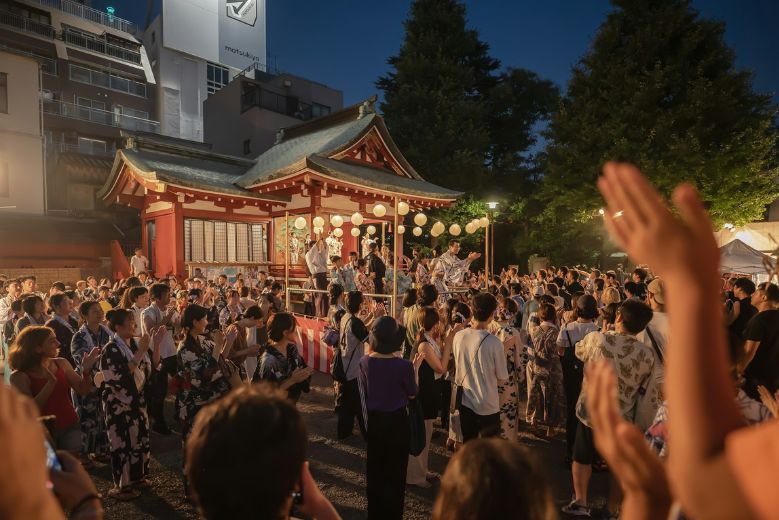
Taking part of a festival is one of the most enjoyable and memorable ways to immerse yourself in Japanese culture. From the relaxing tradition of Hanami during cherry blossom season, to lively summer matsuri filled with food stalls, traditional performances and fireworks, Japan’s festivals offer a chance to experience a different side of the country. Many festivals are deeply rooted in local history and traditions, making them a great way to experience Japanese culture beyond the major tourist attractions.
Festivals take place all across Japan all of the time, meaning you’re likely never far away from experiencing this unique part of Japan. However, festivals like Hanami (Cherry blossom viewing) are limited to a tight period of about 2 weeks during spring, while Matsui festivals tend to last longer over Summer.
6. Taking an unscheduled train ride somewhere and freely explore
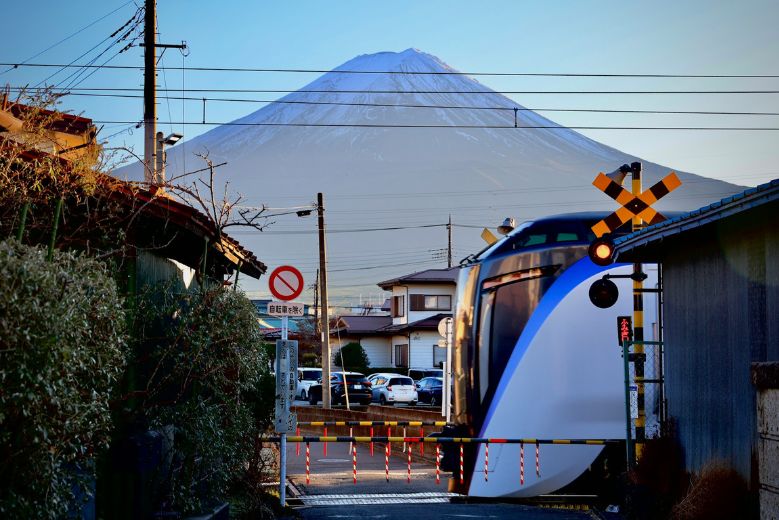
On busy trips, it can be hard to remember to take time for yourself. One of the best things we can recommend to make your Japan trip even more memorable is to take an unplanned journey somewhere. Be it for an hour, half day, or a full day trip – just hop on a train and explore what there is wherever you decide to hop off. Maybe you’ll be surprised with beautiful views, or stumble across a cute little mom & pop shop serving one of the best meals you’ll ever have. Often, the best part of travel is the unexpected. You’ll never know where you’ll end up or what you’ll experience.
Just be sure you don’t get lost. One of the best ways you can avoid getting lost is by ensuring that you have reliable access to the internet while out exploring Japan. With the Sakura Mobile eSIM, you can explore Japan without worrying about running out of mobile data. with small data packs through to unlimited data, the Sakura Mobile eSIM is the one of the most versatile and reliable eSIMs in Japan. Get your Sakura Mobile eSIM, and stay connected.
Explore Japan
Most Popular
Japan Rail Pass
Unlock Japan with the Japan Rail Pass
Iwatayama Monkey Park
See Japanese Macaque Monkey's in Kyoto City
Where to Store Luggage in Japan
Your guide to travelling Japan unincumbered
Katsura River – Kyoto
Scenic river area in Kyoto

Dotonbori Ferris Wheel
Unique view of Dotonbori
Explore more in Japan
5+ Things you’ll regret skipping in Japan
Japan is one of the hottest travel destinations, bringing in over 40...
7 Beppu Hells (Jigoku)
Famous Hot Spring City
Arakurayama Sengen Park
Iconic view of Mt.Fuji

Capsule Hotels – Are they worth it?
The pros and cons of staying at a capsule hotel
Is the JR Pass worth it in 2026
All you need to know about the JR Pass
Nara
Japan's first capital, known as a place where the deer roam free.
