

Koyasan (Mount Koya) is a sacred mountain and the center of Shingon Buddhism, located in the mountains of Wakayama Prefecture, Japan. Established in 816 by the revered monk Kūkai (Kōbō Daishi), who introduced Shingon Esoteric Buddhism to Japan, Koyasan remains one of the country’s most important spiritual destinations. It is part of the UNESCO-listed “Sacred Sites and Pilgrimage Routes in the Kii Mountain Range.”
Koyasan is renowned for its ancient temples, serene cedar forests, and profound spiritual atmosphere. One of its most unique offerings is the temple lodging (shukubo) experience, where visitors can stay overnight in a Buddhist temple, enjoy traditional vegetarian monk cuisine (shōjin ryōri), and participate in morning prayers.
As one of Japan’s holiest sites, Koyasan attracts Buddhist pilgrims seeking enlightenment, meditation, and devotion. It holds special significance for followers of Shingon Buddhism, as Kōbō Daishi is believed to be in eternal meditation at Okunoin, Koyasan’s sacred cemetery.
However, Koyasan’s appeal extends beyond religious devotion. Visitors of all backgrounds are drawn to its rich cultural heritage, tranquil landscapes, and deep historical significance. With an open mind and a curiosity for Japan’s ancient traditions, Koyasan offers a truly authentic and immersive experience.
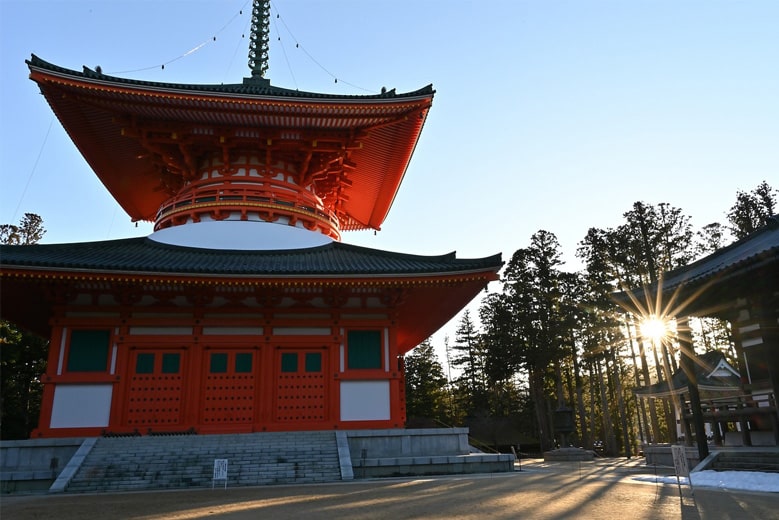
At the heart of Koyasan lies Danjo Garan, a complex of temples and halls where monks and pilgrims gather for worship and study. Notable structures include:
- Konpon Daitō Pagoda – Symbolizing the Buddhist universe, this striking red pagoda is a key landmark of Koyasan.
- Kondō (Golden Hall) – A sacred hall housing important Buddhist relics and statues.
Okunoin is Japan’s largest cemetery and one of its most revered spiritual sites. It is the final resting place of Kōbō Daishi, whose Gobyo (mausoleum) lies at the end of a mesmerizing pathway lined with towering cedar trees and thousands of stone lanterns.
The atmosphere here is profoundly peaceful, yet at times, eerily quiet—especially in the early morning or late evening. On still days, when even the wind is absent, the silence within the Okunoin forest can feel haunting, as countless gravestones surround visitors in an otherworldly setting.
- 🏯 Spiritual Center of Shingon Buddhism – Founded in 816 by Kūkai (Kōbō Daishi), Koyasan is one of Japan’s most important religious sites.
- 🏆 UNESCO World Heritage Site – Part of the “Sacred Sites and Pilgrimage Routes in the Kii Mountain Range.”
- 🛖 Stay in a Buddhist Temple (Shukubo) – Experience traditional monk lodging, including vegetarian cuisine (shōjin ryōri) and morning prayers.
- 🌲 Okunoin Cemetery: Japan’s Largest – A mystical, lantern-lit forest path leading to Kōbō Daishi’s mausoleum, where he is believed to be in eternal meditation.
- 🏮 Danjo Garan Temple Complex – The heart of Koyasan, featuring the Konpon Daitō Pagoda and Kondō (Golden Hall).
- 🏔️ A Remote & Serene Mountain Sanctuary – Hidden in Wakayama Prefecture, far from Japan’s bustling cities.
- 🍁 Breathtaking Nature & Seasonal Beauty – Stunning cherry blossoms (spring), lush greenery (summer), vibrant foliage (autumn), and snow-covered temples (winter).
- 🚉 Scenic Journey to Koyasan – Accessible via the Nankai Railway and a cable car ride through the mountains.
- 🙏 A Major Pilgrimage Destination – A place for meditation, enlightenment, and Buddhist study, yet open to all visitors.
- 🌌 Eerie Yet Magical Atmosphere – The silent forests and ancient tombstones of Okunoin create an otherworldly experience, especially at night.
Okunoin Cemetery
Japan's Sacred Forest Cemetery
Seiganto-ji & Nachi Waterfalls
Iconic Temple and waterfall
Koyasan
Japan's Sacred Temple Town
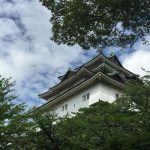
Wakayama Castle
Castle reconstruction in Wakayama City
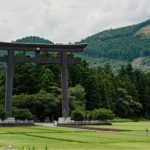
Kumano Hongu Taisha
Sacred Kumano shrine surrounded by mountains and ancient pilgrimage trails.

Koyasan Sanadabo Rengejoin
Top Recommended Shukubo
Experience one of the top temple lodging experiences in Koyasan. Immerse yourself with traditional style rooms, vegetarian cuisine, relaxing hot spring baths, and morning meditation sessions.

Koyasan Shukubo Saizenin
Get an authentic temple-stay experience, enjoy a relaxing atmosphere in a historic temple with traditional monk meals & prayer sessions.

Guest House Suzumeno Kakurembo
Comfortable guesthouse in town with friendly staff and affordable modern rooms.
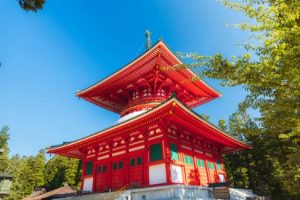
Kongobuji Temple
Stone steps leading to Kongobuji Kongobuji temple (金剛峯寺, Kongōbu-ji , in the...
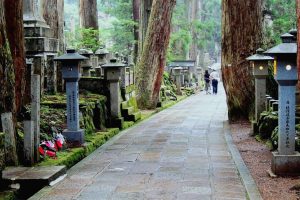
Koyasan
Japan's Sacred Temple Town
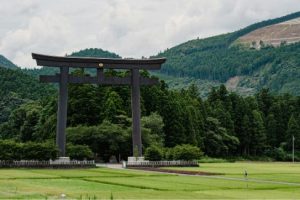
Kumano Hongu Taisha
Sacred Kumano shrine surrounded by mountains and ancient pilgrimage trails.
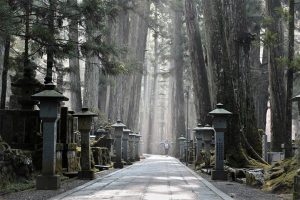
Okunoin Cemetery
Japan's Sacred Forest Cemetery
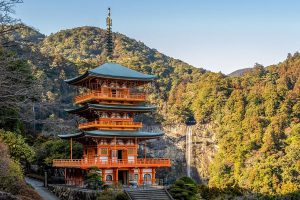
Seiganto-ji & Nachi Waterfalls
Iconic Temple and waterfall
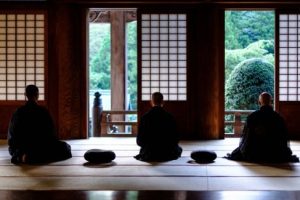
Temple Lodging
Stay overnight in a Buddhist temple