Temple Lodging

Stay overnight in a Buddhist temple

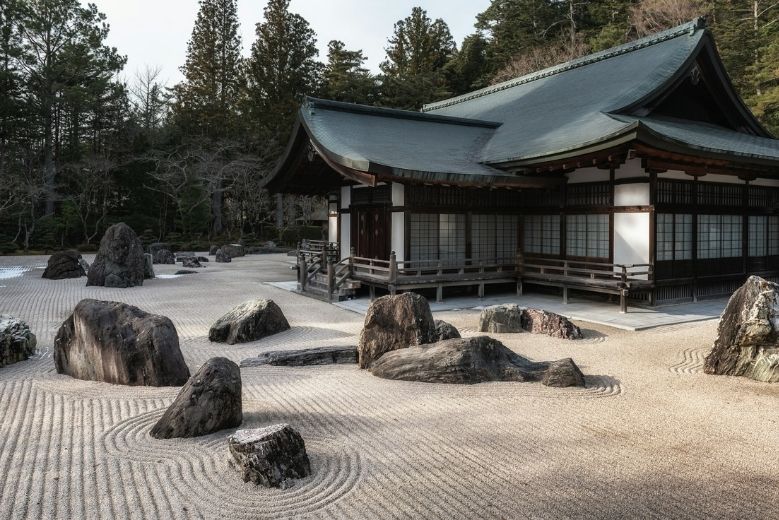
Temple lodging is one of the most unique accommodation experiences in Japan, where visitors have the opportunity to stay within a working Buddhist temple. The sacred village of Koyasan, in Wakayama Prefecture, is perhaps the best and well-known area to experience this unique style of lodging. 

Koyasan is often regarded as one of the most important spiritual centres of Buddhism in Japan. Located high in the forested mountains of the Kii Peninsula, the area was founded more than 1,200 years ago by Kobo Daishi, the founder of Shingon Buddhism. Today, Koyasan is home to more than 100 temples, many of which continue to serve as places of worship as well as accommodation for visitors.

About the Koyasan Temple Stay Experience

Staying at one of Koyasan’s temple lodgings, known as shukubo, provides a chance to experience aspects of Buddhist temple life that would otherwise be difficult to encounter as a tourist. Guests typically sleep in traditional Japanese-style rooms, often featuring tatami flooring and futons.

The Shukubo experience typically includes meals as well, commonly based on shojin ryori, the vegetarian cuisine traditionally prepared by Buddhist monks. A stay typically includes dinner and breakfast. To ensure you arrive in time for dinner, it’s best to arrive before 5:00 pm. This allows you plenty of time to get settled in your room before making your way to dinner. Dinners are typically served between 5:30-6:00 pm, although it varies slightly by establishment.

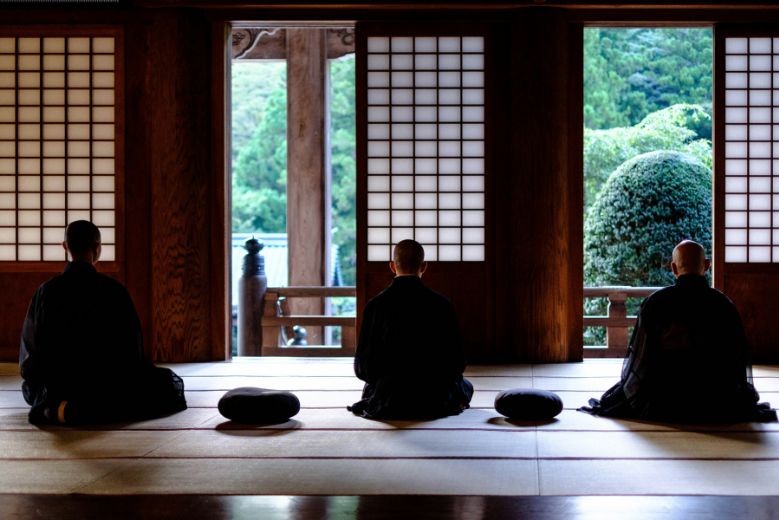
Many temple lodgings invite guests to participate in morning prayers, meditation sessions or other Buddhist ceremonies. Even for those who are not particularly religious, these experiences can be fascinating, providing an opportunity to take time out of your day to reflect. The prayer sessions last for around half an hour, and most commonly occur before breakfast – typically starting at 6:00am, and ending before 7:00am when breakfast is served.

Temple lodging does vary considerably between establishments, with some offering relatively simple accommodation and others providing more comfortable facilities and private bathrooms. Regardless of the style, however, staying in a shukubo is one of the best ways to experience the spiritual atmosphere that makes Koyasan such a special destination.

Monks Worhshipping at a Koyasan Temple Lodging temple

Recommended Temple Lodging in Koyasan

With several temples offering Shukubo experiences, it can be hard to find the best place to stay in Koyasan. One of our favourite temple lodging experiences is at Rengejoin. Located among Koyasan’s historic temples, Rengejoin is an excellent choice for travellers looking to experience the traditional shukubo style of accommodation while exploring one of Japan’s most important centres of Shingon Buddhism. Rengenjoin has both traditional Japanese-style rooms for those who want an authentic experience, and rooms with a more modern influence.  Generally speaking, Temple lodging stays are more expensive than stays at other hotels – be sure to book several months in advance to ensure the best deals.

Koyasan Sanadabo Rengejoin

Koyasan Sanadabo Rengejoin

Top Recommended Shukubo

Experience one of the top temple lodging experiences in Koyasan. Immerse yourself with traditional style rooms, vegetarian cuisine, relaxing hot spring baths, and morning meditation sessions.
Explore Wakayama

Top Attractions

Quiet, grave and lantern lined path of Okunoin Cemetery

Okunoin Cemetery

Japan's Sacred Forest Cemetery
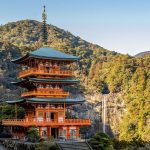
Seiganto-ji Pagoda with Nachi falls in the background, Wakayama Prefecture

Seiganto-ji & Nachi Waterfalls

Iconic Temple and waterfall
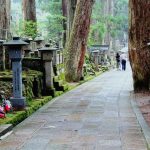
The walking path through Okunoin Cemetery at Koyasan, with a couple of people walk ahead

Koyasan

Japan's Sacred Temple Town

Wakayama Castle

Wakayama Castle

Castle reconstruction in Wakayama City
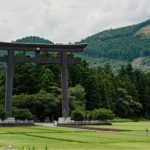
Kumano Hongu Taisha Otorii

Kumano Hongu Taisha

Sacred Kumano shrine surrounded by mountains and ancient pilgrimage trails.

Accessing Koyasan

By Car

Due to the remote nature of Koya-san Public transport access is very limited, and takes several hours. However, by renting a car, you can access Koya-san easily, taking far less time and allowing you to explore this ancient town far more easily. If you are primarily using trains to get around but wish to hire a car to get to Koya-san, we recommend hiring a car from Wakayama City, or Osaka Station.

By Train & Bus

While challenging, you can still access Koya-san with public transport. From Wakayama Station, take the Wakayama Line to Hashimoto Station, about 50 minutes. From Hashimoto Station, transfer to the Nankai-koya Line through to Gokurabashi Station. From Gokurabashi station,  board the Nankai Koyasan Cablecar to Koyasan station. From Koyasan Station,  you will need to board bus ’31’ to get to the main town center as the station is a couple of kilometers away from the town and walking from Koyasan station to the center of town is illegal. 

All together, the journey will take over 3 hours, and cost around 2500yen. Only the Wakayama Line from Wakayama Station to Hashimoto Station leg of the journey is covered by the JR Pass. 

Where to Stay

Koyasan Sanadabo Rengejoin

Koyasan Sanadabo Rengejoin

Top Recommended Shukubo

Experience one of the top temple lodging experiences in Koyasan. Immerse yourself with traditional style rooms, vegetarian cuisine, relaxing hot spring baths, and morning meditation sessions.

Koyasan Shukubo Saizenin

Koyasan Shukubo Saizenin

Get an authentic temple-stay experience, enjoy a relaxing atmosphere in a historic temple with traditional monk meals & prayer sessions.

Guest House Suzumeno Kakurembo

Guest House Suzumeno Kakurembo

Comfortable guesthouse in town with friendly staff and affordable modern rooms.
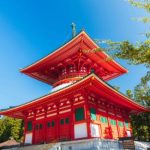
Explore more in Wakayama

The walking path through Okunoin Cemetery at Koyasan, with a couple of people walk ahead

Koyasan

Japan's Sacred Temple Town

Kumano Hongu Taisha Otorii

Kumano Hongu Taisha

Sacred Kumano shrine surrounded by mountains and ancient pilgrimage trails.

Quiet, grave and lantern lined path of Okunoin Cemetery

Okunoin Cemetery

Japan's Sacred Forest Cemetery

Seiganto-ji Pagoda with Nachi falls in the background, Wakayama Prefecture

Seiganto-ji & Nachi Waterfalls

Iconic Temple and waterfall
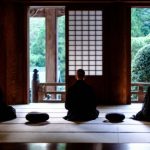
Koyasan temple Lodging Monks

Temple Lodging

Stay overnight in a Buddhist temple

Wakayama Castle

Wakayama Castle

Castle reconstruction in Wakayama City

Scroll to Top