
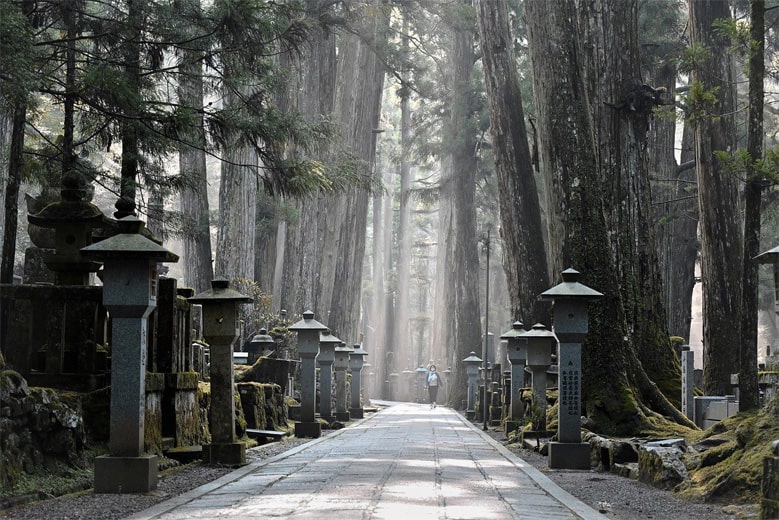
Okunoin Cemetery, located in Koyasan, in Wakayama Prefecture, is one of Japan’s most sacred and historically significant sites. Koyasan, also known as Mount Koya, serves as the headquarters of Shingon Buddhism and is recognized as a UNESCO World Heritage Site.
Spanning vast grounds, Okunoin Cemetery is the final resting place of more than 200,000 individuals, including samurai, monks, and distinguished historical figures. Many tombstones are intricately designed, reflecting the reverence and legacy of those interred here.
Okunoin is considered one of Japan’s holiest sites, as it houses the mausoleum of Kūkai (Kōbō Daishi), the revered founder of Shingon Buddhism. According to Buddhist belief, Kūkai is not deceased but in a state of eternal meditation, awaiting the arrival of Maitreya, the future Buddha. Pilgrims and visitors come to pay their respects and seek spiritual blessings at this sacred site.

The approach to Kūkai’s mausoleum is a breathtaking journey, with a pathway lined by thousands of stone lanterns. This path, known as Okunoin Torodo, is particularly enchanting at dusk when the lanterns are illuminated, casting a mystical glow throughout the forest.
As visitors progress along the pathway, they reach Gobyobashi Bridge, a significant point in the cemetery. Beyond this bridge, the atmosphere becomes profoundly spiritual. Here, photography, food, and drinks are prohibited as a sign of respect. A common ritual involves pouring water over the heads of Buddha statues near the bridge as an act of devotion.
Beyond Gobyobashi Bridge, the pathway leads to the Kōbō Daishi Mausoleum and Torodo (Lantern Hall), two of the most revered structures in Okunoin.
- Kōbō Daishi Mausoleum – The sacred site where Kūkai is enshrined, drawing thousands of pilgrims each year.
- Torodo (Lantern Hall) – Home to thousands of glowing lanterns, adorning the walls and ceiling. Their golden light creates an ethereal and awe-inspiring atmosphere, enhancing the spiritual experience.
- 🏯 One of Japan’s Holiest Sites – Located in Koyasan, Wakayama Prefecture, and part of a UNESCO World Heritage Site.
- ⚰️ Resting Place of 200,000+ Souls – Home to samurai, monks, and historical figures, with beautifully adorned tombstones.
- 🙏 Mausoleum of Kūkai (Kōbō Daishi) – The founder of Shingon Buddhism, believed to be in eternal meditation awaiting Maitreya, the future Buddha.
- 🏮 Pathway of Stone Lanterns – Thousands of lanterns line the cemetery path, creating a mystical and serene atmosphere.
- 🌉 Gobyobashi Bridge: A Sacred Crossing – Marks the transition into Okunoin’s most sacred area; photography, food, and drinks are prohibited beyond this point.
- 💧 Ritual Water Offering – Visitors pour water over Buddha statues at the bridge as an act of reverence and spiritual cleansing.
- 🎇 Torodo (Lantern Hall) – Houses thousands of glowing lanterns, creating an ethereal golden glow.
- 🏛️ Kōbō Daishi’s Mausoleum – The holiest site in Okunoin, where pilgrims come to pray and seek blessings.
- 🌲 Enchanting Day & Night Atmosphere – Towering cedar trees provide serenity by day, while lanterns transform Okunoin into a mystical wonderland at night.
- 🚶 Pilgrimage & Spiritual Reflection – A must-visit for history lovers, spiritual seekers, and those looking for a unique cultural experience.
Okunoin Cemetery
Japan's Sacred Forest Cemetery
Seiganto-ji & Nachi Waterfalls
Iconic Temple and waterfall
Koyasan
Japan's Sacred Temple Town
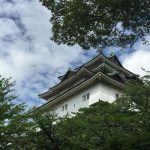
Wakayama Castle
Castle reconstruction in Wakayama City
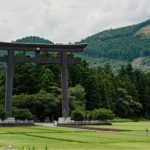
Kumano Hongu Taisha
Sacred Kumano shrine surrounded by mountains and ancient pilgrimage trails.

Koyasan Shukubo Saizenin
Get an authentic temple-stay experience, enjoy a relaxing atmosphere in a historic temple with traditional monk meals & prayer sessions.

Guest House Suzumeno Kakurembo
Comfortable guesthouse in town with friendly staff and affordable modern rooms.
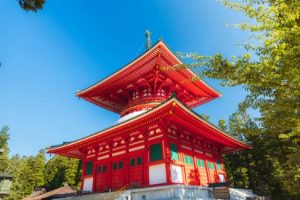
Kongobuji Temple
Stone steps leading to Kongobuji Kongobuji temple (金剛峯寺, Kongōbu-ji , in the...
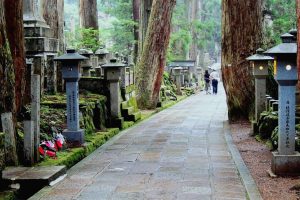
Koyasan
Japan's Sacred Temple Town
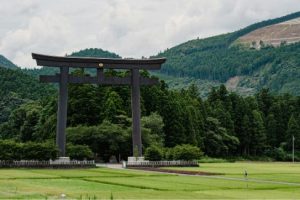
Kumano Hongu Taisha
Sacred Kumano shrine surrounded by mountains and ancient pilgrimage trails.
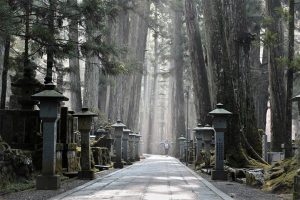
Okunoin Cemetery
Japan's Sacred Forest Cemetery
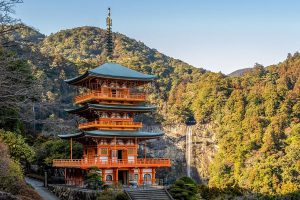
Seiganto-ji & Nachi Waterfalls
Iconic Temple and waterfall
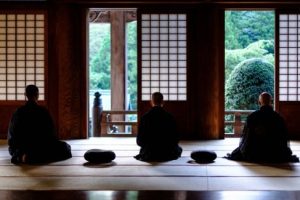
Temple Lodging
Stay overnight in a Buddhist temple