
Kumano Hongu Taisha

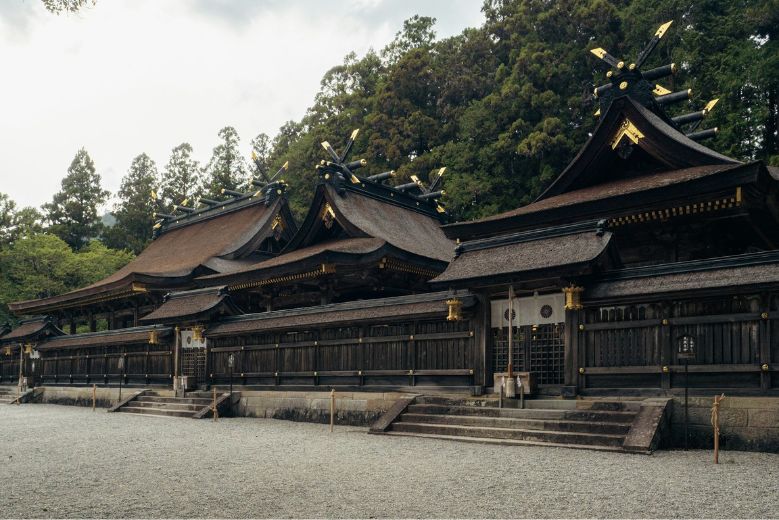
Sacred Kumano shrine surrounded by mountains and ancient pilgrimage trails.

Kumano Hongu Taisha (熊野本宮大社, Kumano Hongū Taisha), is one of Japan’s most sacred shrines in the Kumano Region of Wakayama Prefecture.  Surrounded by forested mountains, the shrine has been an important place of worship for centuries and is one of the three major shrines that make up the sacred Kumano Sanzan. The Kumano Hongu Taisha is said to be the head shrine of over 3000 shrines scattered across Japan. 

The origins of Kumano Hongu Taisha stretch back more than 1,000 years, believed to have been first founded sometime around the 9th century. The mountains surrounding the shrine were traditionally believed to be home to the kami, or spirits, worshipped at Kumano.

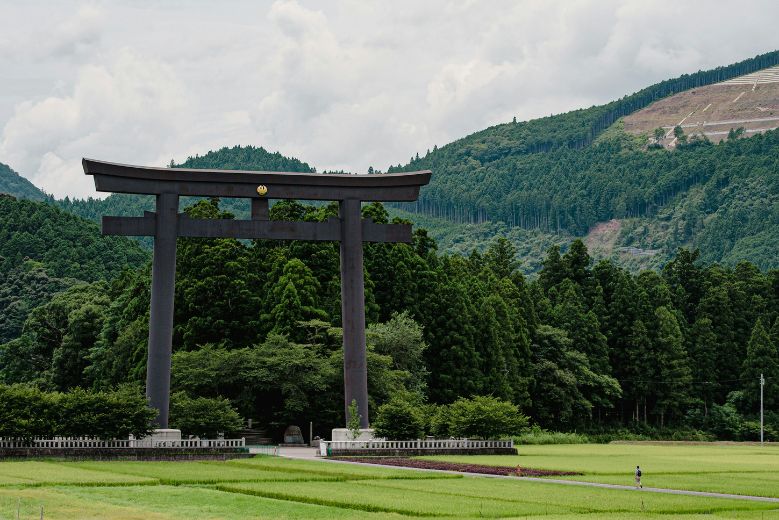
Over the years the shrine has changed locations, with the most recent relocation occurring in 1889 due to flooding from the nearby Kumano river, moving the shrine buildings about a distance of about one kilometre. Its original location, Oyu no Hara, is marked by a gigantic torii gate standing 33 meters tall. This o-torii gate was erected in the year 2000, and has since held the record for the tallest torii gate in Japan. 

For many visitors, Kumano Hongu Taisha is particularly significant because of its connection to the Kumano Kodo – a collection of ancient pilgrimage routes crossing the Kii Peninsula. Rather than being a single trail, it consists of several routes connecting the region’s major sacred sites.


The routes have been used for centuries by pilgrims travelling between the Kumano Sanzan shrines: Kumano Hongu Taisha, Kumano Nachi Taisha and Kumano Hayatama Taisha. Today, the Kumano Kodo attracts hikers from around the world. Some visitors spend several days walking between villages and shrines, while others experience shorter sections of the trail as part of a wider trip around Wakayama.

The otorii of Kumano Hongu Taisha at Oyu No Hara is one of the most popular places to begin or finish a Kumano Kodo journey.

Explore Wakayama

Top Attractions

Quiet, grave and lantern lined path of Okunoin Cemetery

Okunoin Cemetery

Japan's Sacred Forest Cemetery
Seiganto-ji Pagoda with Nachi falls in the background, Wakayama Prefecture

Seiganto-ji & Nachi Waterfalls

Iconic Temple and waterfall
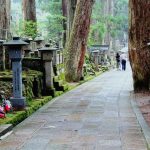
The walking path through Okunoin Cemetery at Koyasan, with a couple of people walk ahead

Koyasan

Japan's Sacred Temple Town

Wakayama Castle

Wakayama Castle

Castle reconstruction in Wakayama City
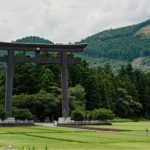
Kumano Hongu Taisha Otorii

Kumano Hongu Taisha

Sacred Kumano shrine surrounded by mountains and ancient pilgrimage trails.
Accessing Kumano Hongu Taisha

Due to the remote nature of the shrine and the start of the pilgrimage, accessing the shrine can be challenging, and taking a rental car is highly recommended. Buses connect Kii-Tanabe Station with the Kumano Hongu Taisha approximately every two hours. The one-way trip takes roughly two hours and costs 2100 yen. 

Explore more in Wakayama

The walking path through Okunoin Cemetery at Koyasan, with a couple of people walk ahead

Koyasan

Japan's Sacred Temple Town

Kumano Hongu Taisha Otorii

Kumano Hongu Taisha

Sacred Kumano shrine surrounded by mountains and ancient pilgrimage trails.

Quiet, grave and lantern lined path of Okunoin Cemetery

Okunoin Cemetery

Japan's Sacred Forest Cemetery

Seiganto-ji Pagoda with Nachi falls in the background, Wakayama Prefecture

Seiganto-ji & Nachi Waterfalls

Iconic Temple and waterfall

Koyasan temple Lodging Monks

Temple Lodging

Stay overnight in a Buddhist temple

Wakayama Castle

Wakayama Castle

Castle reconstruction in Wakayama City

Scroll to Top