Kongobuji Temple

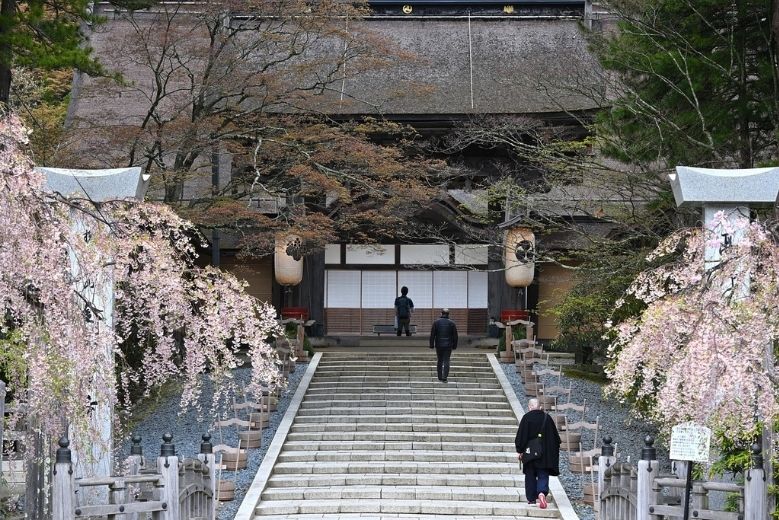
Stone steps leading to Kongobuji Kongobuji temple (金剛峯寺, Kongōbu-ji , in the small sacred mountain town of Koyasan, is one of the most influential and significant temples in Japan. The temple was originally constructed in the late 1500’s by Toyotomi Hideyoshi, one of Japan’s most powerful historical figures, who commissioned a temple in memory in […]

Stone steps leading up to Kongobuji temple in Koyasan, cherry blossoms line the path.
Stone steps leading to Kongobuji

Kongobuji temple (金剛峯寺, Kongōbu-ji , in the small sacred mountain town of Koyasan, is one of the most influential and significant temples in Japan. The temple was originally constructed in the late 1500’s by Toyotomi Hideyoshi, one of Japan’s most powerful historical figures, who commissioned a temple in memory in memory of his mother. Kongōbu-ji is the head temple of Kōyasan Shingon Buddhism and one of the most important temples on Mount Kōya, with close roots to the the influential monk Kōbō Daishi (also known as Kūkai) who founded the Shingon sect of Buddhism.

Inside the main temple hall, visitors will first come see the Ohiroma Room which was used for important rituals and religious ceremonies. Throughout the main temple hall, you’ll find several rooms with intricately painted sliding doors. In the Ohiroma Room, the sliding doors are adorned with beautifully painted cranes, while the Plum and willow rooms and named after their namesake paintings on their sliding doors. 

The name Kongōbuji can sometimes be confusing for visitors because it is associated with more than just the large temple building that can be visited in central Kōyasan. Kōyasan developed over centuries as a network of temples and religious precincts rather than as a single enclosed temple complex. As such, you can find several buildings throughout Koyasan associated with, and are a part of the wider Kongobu-ji complex.

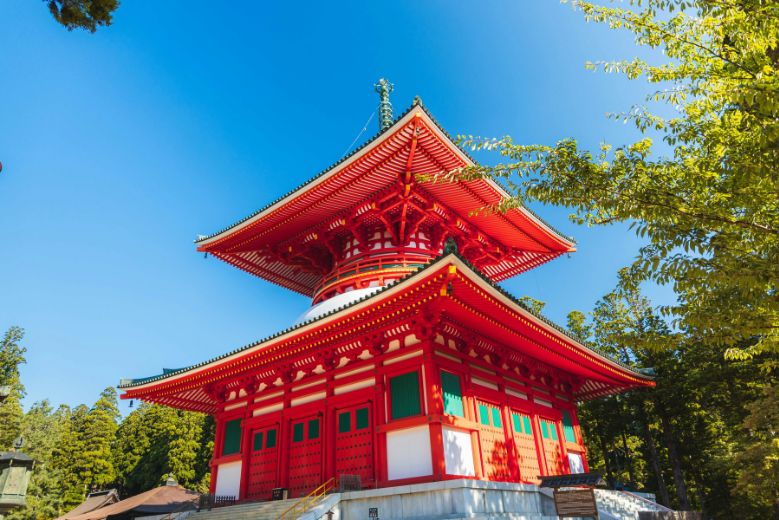
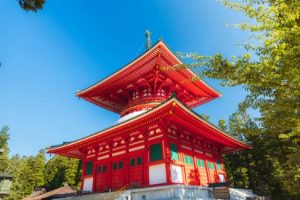
Vermillion Pagoda at Kongobuji Kondo Temple
Konpon Daito

One of the most iconic sites associated with Kongobuji Temple is the Konpon Daito, found in Danjo Garan Precinct. According to tradition, Kūkai established the Danjo Garan as the central religious complex of Kōyasan after receiving the mountain as a place to establish his Buddhist teachings. The bright vermilion two-story pagoda, the ‘Konpon Daito’, stands at the centre of the Garan. 

Banryūtei Rock Garden

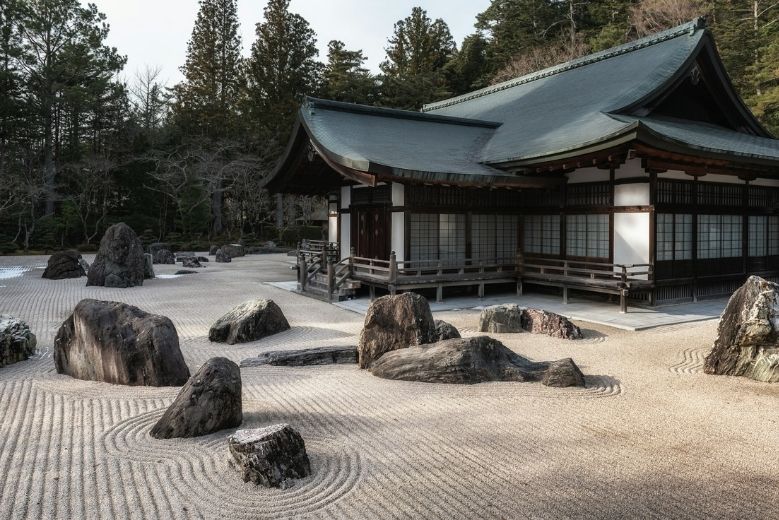
Banryūtei Rock Garden is probably Kongōbu-ji’s most recognisable feature. At around 2,340 square metres, it is considered the largest rock garden in Japan. The garden contains 140 granite rocks arranged over a bed of white gravel, with the rocks said to represent two dragons emerging from a sea of clouds to protect the temple.

Explore Wakayama

Top Attractions

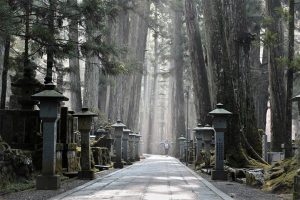
Quiet, grave and lantern lined path of Okunoin Cemetery

Okunoin Cemetery

Japan's Sacred Forest Cemetery
Seiganto-ji Pagoda with Nachi falls in the background, Wakayama Prefecture

Seiganto-ji & Nachi Waterfalls

Iconic Temple and waterfall
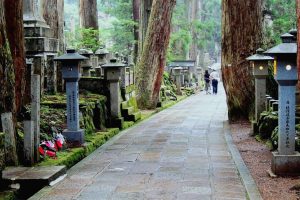
The walking path through Okunoin Cemetery at Koyasan, with a couple of people walk ahead

Koyasan

Japan's Sacred Temple Town

Wakayama Castle

Wakayama Castle

Castle reconstruction in Wakayama City
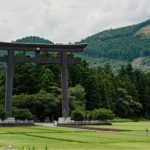
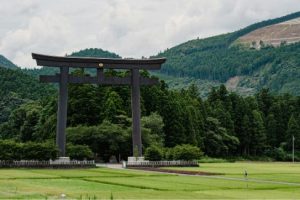
Kumano Hongu Taisha Otorii

Kumano Hongu Taisha

Sacred Kumano shrine surrounded by mountains and ancient pilgrimage trails.

Hours and Admission

Accessing Kongobuji Temple

Kongobu-ji Temple is found in the centre of Koyasan, and can easily be accessed from most parts of the town. 

Getting to Koyasan By Car

Due to the remote nature of Koya-san Public transport access is very limited, and takes several hours. However, by renting a car, you can access Koya-san easily, taking far less time and allowing you to explore this ancient town far more easily. If you are primarily using trains to get around but wish to hire a car to get to Koya-san, we recommend hiring a car from Wakayama City, or Osaka Station.

By Train & Bus

While challenging, you can still access Koya-san with public transport. From Wakayama Station, take the Wakayama Line to Hashimoto Station, about 50 minutes. From Hashimoto Station, transfer to the Nankai-koya Line through to Gokurabashi Station. From Gokurabashi station,  board the Nankai Koyasan Cablecar to Koyasan station. From Koyasan Station,  you will need to board bus ’31’ to get to the main town center as the station is a couple of kilometers away from the town and walking from Koyasan station to the center of town is illegal. 

All together, the journey will take over 3 hours, and cost around 2500yen. Only the Wakayama Line from Wakayama Station to Hashimoto Station leg of the journey is covered by the JR Pass. 

Where to Stay

Koyasan Sanadabo Rengejoin

Koyasan Sanadabo Rengejoin

Top Recommended Shukubo

Experience one of the top temple lodging experiences in Koyasan. Immerse yourself with traditional style rooms, vegetarian cuisine, relaxing hot spring baths, and morning meditation sessions.

Guest House Suzumeno Kakurembo

Guest House Suzumeno Kakurembo

Comfortable guesthouse in town with friendly staff and affordable modern rooms.

Koyasan Shukubo Saizenin

Koyasan Shukubo Saizenin

Get an authentic temple-stay experience, enjoy a relaxing atmosphere in a historic temple with traditional monk meals & prayer sessions.
Explore more in Okinawa

Kongobuji Temple

Stone steps leading to Kongobuji Kongobuji temple (金剛峯寺, Kongōbu-ji , in the...
The walking path through Okunoin Cemetery at Koyasan, with a couple of people walk ahead

Koyasan

Japan's Sacred Temple Town

Kumano Hongu Taisha Otorii

Kumano Hongu Taisha

Sacred Kumano shrine surrounded by mountains and ancient pilgrimage trails.
Quiet, grave and lantern lined path of Okunoin Cemetery

Okunoin Cemetery

Japan's Sacred Forest Cemetery
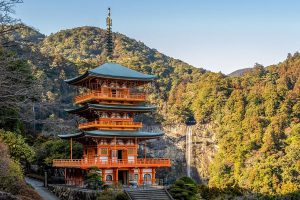
Seiganto-ji Pagoda with Nachi falls in the background, Wakayama Prefecture

Seiganto-ji & Nachi Waterfalls

Iconic Temple and waterfall
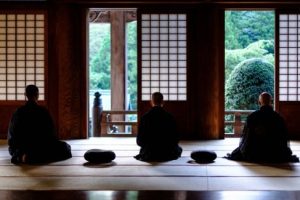
Koyasan temple Lodging Monks

Temple Lodging

Stay overnight in a Buddhist temple

Scroll to Top