Kyoto is one of Japan’s most visited destinations, known for its historic temples and traditional districts. As visitor numbers continue to grow, the Kyoto tourist tax has become an important part of the city’s strategy to manage tourism sustainably while preserving its cultural heritage. Introduced to support infrastructure, reduce overcrowding, and protect Kyoto’s historic sites, the Kyoto tourist tax applies to most overnight stays and varies depending on accommodation cost. While the fee is relatively small, it can be an unexpected expense for first-time visitors. In March of 2026, the Kyoto city government overhauled their tourist taxt system, resulting in changes of rates.
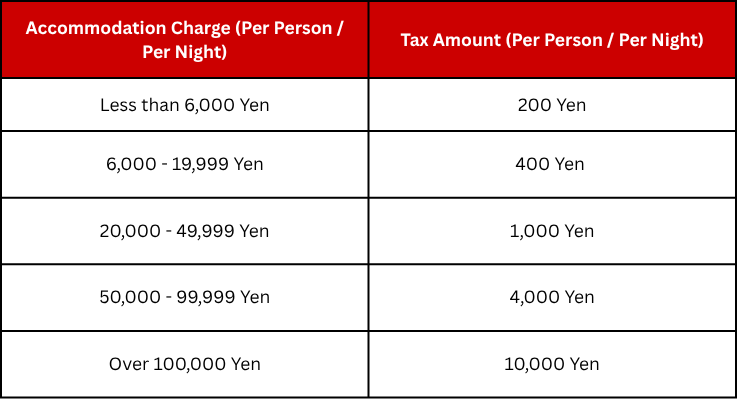
How much is the Kyoto Tourist Tax?
The tax is charged on a per-person, per-night basis, meaning everyone in your travelling party must pay it each night you plan on staying in Kyoto. It’s important to note that this tax usually is collected upon check-in at your hotel, not at the time of booking. Some hotels may collect it as part of your booking fee, and you won’t need to pay the tax again at check-in if this is the case.
Hotels in Kyoto range in price and quality. At a fairly typical hotel in Kyoto, you’ll be expected to pay either 400 or 1,000 yen per person per night in tax at check-in.
Under the tourist tax system (originally introduced in 2018), hotels under 20,000 Yen were charged 200 Yen, 500 Yen for hotels 20,000-49,999 Yen per night, and just 1,000 Yen per night for hotels over 50,000 Yen.
Alternatives to staying in Kyoto
The tourist tax can certainly add up for those staying in Kyoto for multiple days with multiple people. If you wanted to avoid paying the Kyoto tourist tax, you do have some alternative options.
Stay on the outskirts of Kyoto City
The city tourist tax only extends to Kyoto city itself, which mean that you could stay in nearby cities such as Otsu, Uji (famous for Match), or Kameoka city. These cities sit just on the outskirts of Kyoto city and are exempt from the Kyoto tourist tax. Getting from these fringe cities can be as quick as 10 minutes by train from Kyoto Station. Staying in these fringe cities also comes with the added benefit of typically being cheaper than Kyoto city itself. To get the most value out of doing this, we recommend having a JR Pass so you don’t spend what you would save by not staying in Kyoto, on your trains in and out of the city.
Stay in Osaka
If you have a JR Pass, then a viable option could be to stay in Osaka and then train to Kyoto as you please. Using the JR Thunderbird or Karuka trains from Osaka Station will have you in Kyoto in less 30 minutes or less. Or, if you are staying near Shin-Osaka Station, you can take the Tokaido Shinkansen and be in Kyoto in 15 minutes. To be economically viable, you do need to have the JR Pass, as that provides free and unlimited trips on the Japan Rail network.
Explore Kyoto
Top Attractions
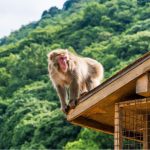
Iwatayama Monkey Park
See Japanese Macaque Monkey's in Kyoto City
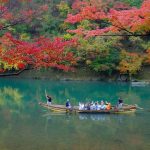
Katsura River – Kyoto
Scenic river area in Kyoto
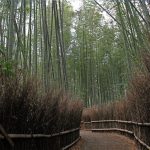
Arashiyama Bamboo Grove
Instagram Famous Bamboo Grove
Tenryu-ji Temple
Zen temple with stunning gardens
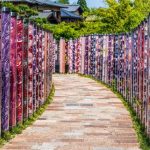
Kimono Forest
Scenic art installation in Arashiyama
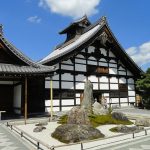
Amanohashidate
One of Japan's three great views
Where to Stay in Kyoto
Kyoto Tower Hotel
The Kyoto Tower Hotel is a centrally located hotel in the heart of Kyoto, mere steps outside of the Kyoto Station.
Kyoto Arashiyama Ranzan Hotel
Stunning Japanese Ryokan with traditional style rooms, and a relaxing indoor onsen, perfectly located with river views and close to nature.
Ryokan SAKANOUE
The Kyoto Ryokan Sakanoue is a luxury hotel located in the heart of the Higashiyama Gion District. Experience the best Kyoto has to offer in an unforgettable location.
Explore Kyoto Prefecture
2 Days in Kyoto – Kyoto Itinerary
Ideas for your 2-day trip to Kyoto
Amanohashidate
One of Japan's three great views
Arashiyama Bamboo Grove
Instagram Famous Bamboo Grove
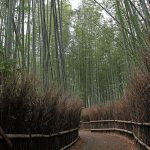
Arashiyama District
Famous District in Western Kyoto
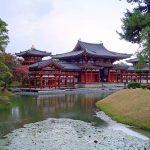
Byodo-in Temple – Kyoto
UNESCO Temple in Southern Kyoto
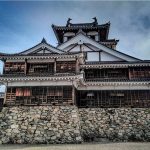
Fukuchiyama Castle
Small castle with a rich history