Hakone is small town in Kanagawa Prefecture, Japan. The town is famous for the beautiful year-round scenery, and there is a plethora of things to do in Hakone. The town is located in the Fuji-Hakone-Izu National Park, approximately 80 kilometers (50 miles) southwest of Tokyo. Hakone is a popular day or weekend trip for those in Tokyo, as the beautiful mountain scenery is a pleasant change of pace.
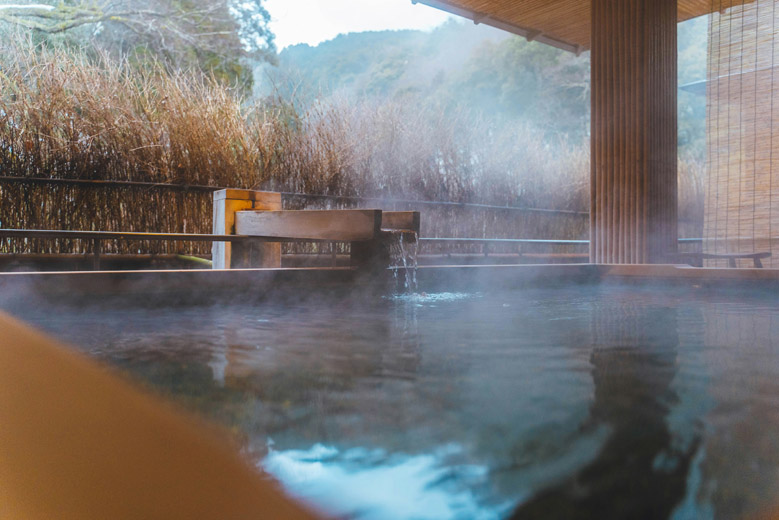
Hakone is famous for its onsen, or hot springs, where visitors can relax in traditional Japanese bathhouses while enjoying the therapeutic benefits of the mineral-rich, geothermal waters. Many hotels and ryokans (traditional Japanese inns) in the area have their own onsen facilities. Whether you’re interested in relaxing in hot springs, exploring art and culture, or taking in the natural scenery, Hakone has something to offer for a wide range of travelers.
In this short article, we’ll cover the top 5 best things to do in Hakone (and some extra).
Hakone Sightseeing Cruise
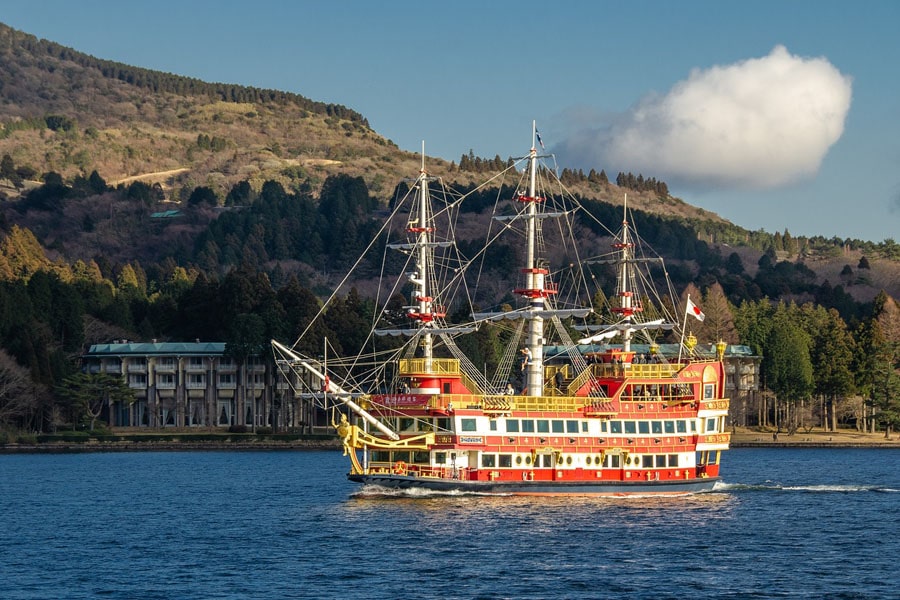
The Hakone Sightseeing Cruise, commonly referred to as the Hakone Pirate Ship, is a must see attraction, and is among the most popular things to do in Hakone. Departing from three docks around the lake, this sightseeing cruise is a perfect way to see the stunning scenery Hakone has to offer.
On clear days, views of Mt.Fuji can be enjoyed from the Hakone Scenic cruise, providing a stunning backdrop to your relaxing journey, attracting both international and domestic tourists. Also on the cruise, you can see Hikone Shrine – the oldest and most significant shrine in the area. Mt. Hakone, and the crater of Owakudani can also be seen when the weather is clear.
The cruise is a year-round attraction, and the surrounding landscape changes with the seasons. Cherry blossoms in spring, lush greenery in summer, vibrant foliage in autumn, and snowy landscapes in winter all provide different and captivating perspectives of the area.
Take the Hakone Ropeway
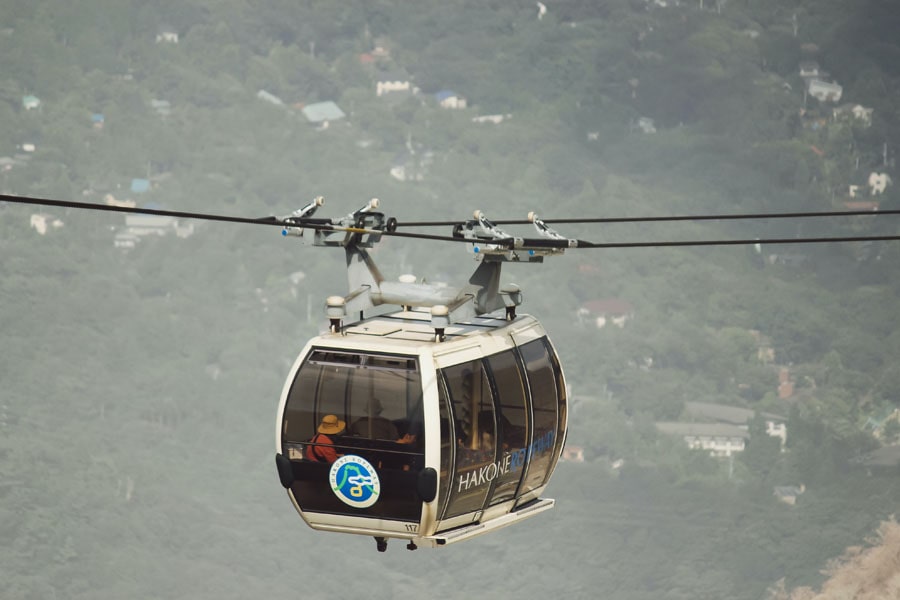
The Hakone Ropeway is a popular aerial tramway in the Hakone region of Kanagawa Prefecture. It offers a scenic and convenient way to explore one of Japan’s most famous hot spring areas, known for its stunning natural landscapes, volcanic activity, and views of Mt. Fuji.
The Hakone Ropeway spans approximately 4 kilometers (2.5 miles) and connects four stations: Sounzan, Owakudani, Ubako, and Togendai. Most visitors will begin at Sounzan Station, located on the eastern side of Mt. Hakone, and travel Togendai Station on the shores of Lake Ashi.
Owakudani - The Volcanic Valley
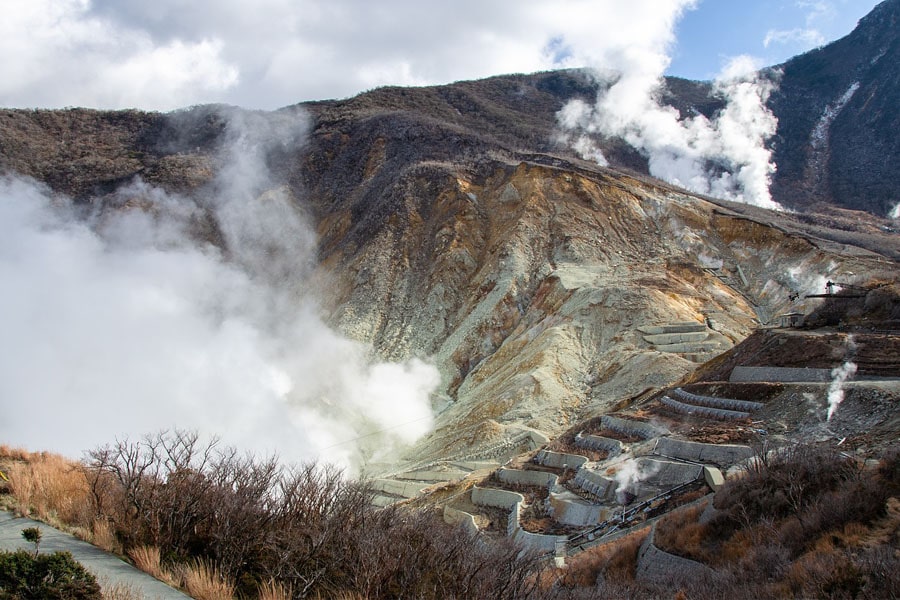
Owakudani, found on Mt.Hakone, is a geothermal attraction found around a volcanic crater. It is believed that the crater formed during an eruption around 3000 years prior. Today, the crater is still an active volcano zone, which pumps out sulfurous fumes, steam, and hot springs. Furthermore, Owakudani offers stunning views of Mt.Fuji on clear days, adding to the appeal of this attraction.
Visitors to Owakudani can enjoy views of the geothermal area from a safe distance from the area around the Owakudani Station on the Hakone Ropeway. There are several free observation areas around the Owakudani station area, which provide you with great views of the sulfur vents.
BONUS ACTIVITY:
Owakudani is famous for its blackened eggs, or eggs cooked in the sulfur vents. The cooking process gives the eggs their jarring black appearance. The eggs are safe to eat, and are an icon of Owakudani. The black eggs can be purchases from a number of shops at Owakudani.
Stay in an Ryokan with an Onsen
Hakone has some of the most picturesque onsens and ryokans in Japan. With the volcanic nature of the Hakone area, there are countless hotels with beautiful and naturally heated onsens, or Japanese-style baths. While many see Hakone in just a day, those who stay overnight are treated to some of Japan’s best onsen ryokans. Staying overnight in Hakone allows visitors to explore Hakone at their own pace, and then relax in their own onsen at the end of a busy day.
Some of our recommend hotels in Hakone with onsens are;
Hakone Open Air Museum
The Hakone Open-Air Museum (箱根彫刻の森美術館, Hakone Chōkoku no Mori Bijutsukan) is Japan’s first open-air art museum, blending contemporary sculpture with the stunning natural landscape of Hakone. Opened in 1969, it spans around 70,000 square meters and features over 120 sculptures from renowned artists such as Henry Moore, Rodin, Picasso, and Niki de Saint Phalle.
The museum’s biggest draw is its expansive outdoor exhibition, where large-scale sculptures interact with the changing seasons of Hakone’s mountains. The works are strategically placed to complement the scenery, creating a dynamic art experience. There are about 40 different exhibits/sculptures/displays in the expansive outdoor exhibition area.
Hakone Shrine
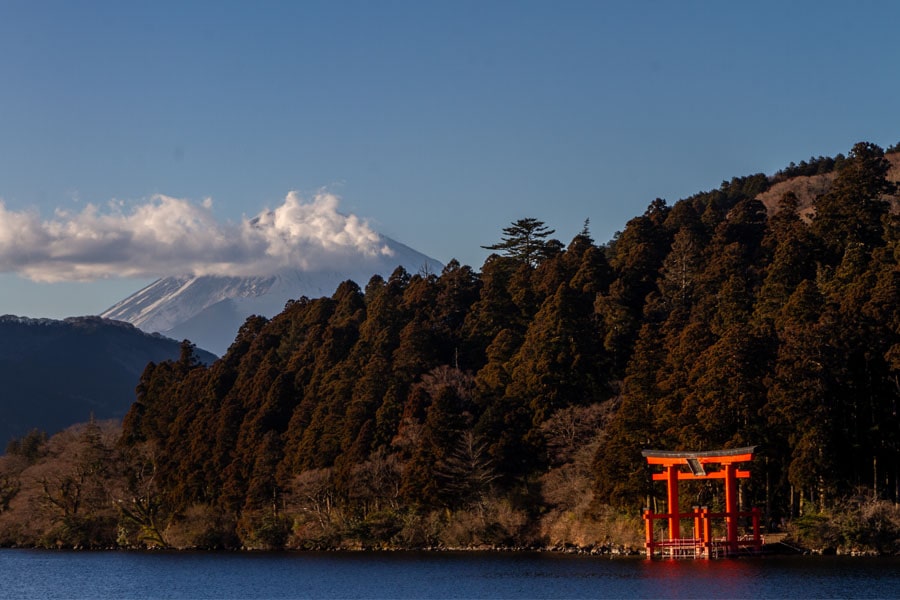
Hakone Shrine, also known as Hakone Jinja (箱根神社) in Japanese, is a renowned Shinto shrine located in the town of Hakone, in Kanagawa Prefecture, Japan. It is situated near the shores of Lake Ashi and is known for its picturesque setting with Mount Fuji often visible in the background on clear days.
The history of Hakone Shrine dates back to the Nara period (710-794) in Japan. It is said to have been originally founded in the 8th century by a Buddhist monk named Mangan. The shrine was later converted to a Shinto shrine during the Meiji Restoration in the late 19th century, which marked a period of separation between Buddhism and Shintoism in Japan.
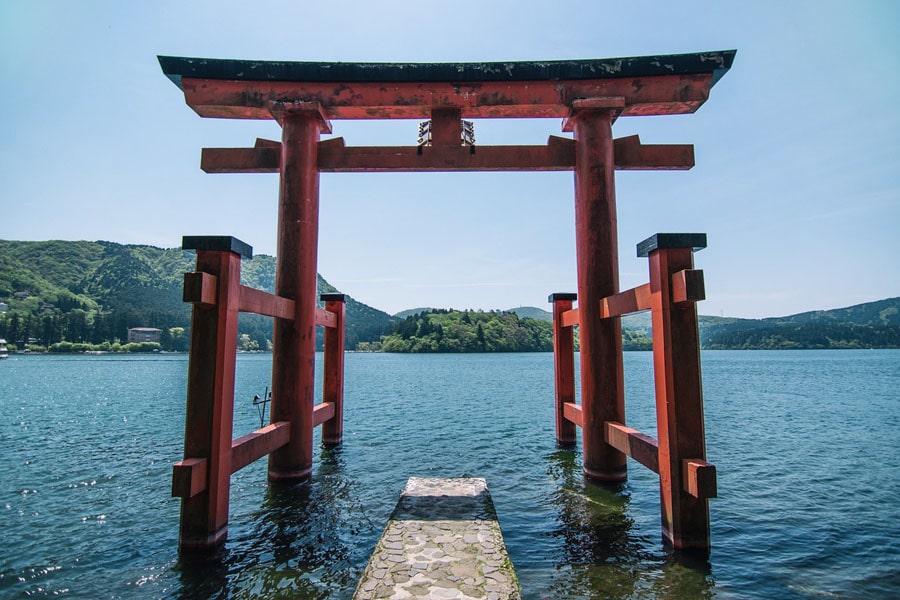
One of the most iconic features of Hakone Shrine is the picturesque red torii gate that stands in the waters of Lake Ashi. Queues can be expected as many tourists take photos in front of this iconic shrine torii gate.
Explore Hakone
Top Attractions
Hakone Ropeway
Panoramic cable journey linking Hakone’s highlights
Owakudani
Geothermal attraction with Mt. Fuji Views
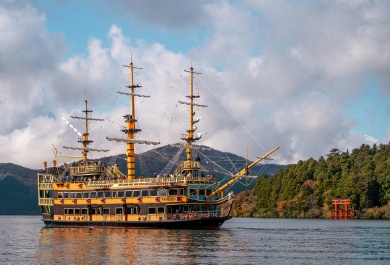
Hakone Sightseeing Cruise
Sightseeing boat on Lake Ashinoko, with Mt. Fuji Views.
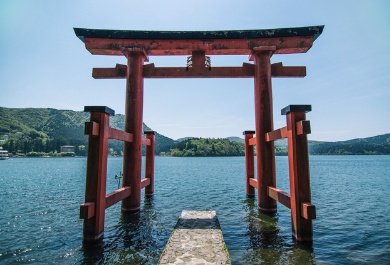
Hakone Shrine
Viral shrine with torii gate floating in the lake.
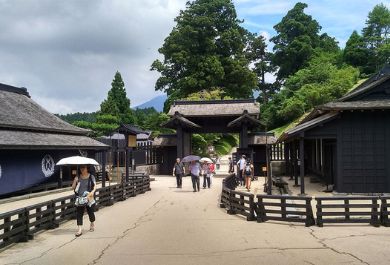
Lake Ashinoko
Scenic lake in Hakone
Hakone FAQs
Hakone can best be enjoyed with an overnight stay in one of the many Ryokans or world-class hotels.
However, Hakone can still be enjoyed as a day trip.
Yes, the Hakone Free Pass offers excellent value if you plan to use multiple transports such as the ropeway, pirate ship cruise, and buses, often saving both money and time, particularly if you are planning more than a day trip.
Yes, on clear days you can see Mount Fuji from spots in and around Hakone, like the Hakone Ropeway, Owakudani, and Lake Ashi, though visibility depends heavily on weather conditions.
Get around Hakone with the Hakone Free Pass
Stay in Hakone
Yoshiike Ryokan
Modern Japanese Ryokan, with stunning facilities, gorgeous indoor and outdoor onsen and beautiful gardens.
Hakone Hotel
Luxury hotel, featuring rooms with unforgettable lake views, world class dining, and immaculate facilities.
Odakyu Hotel De Yama
Lake-side hotel, boasting large gardens to explore and relax in, convenient location, just a 5 minute drive from the port.
Discover Japan with the JR Pass
Discover Japan like never before with the Japan Rail Pass (JR Pass), your ticket to seamless travel across the Japan. Unlock the full potential of Japan’s extensive rail network, renowned for its punctuality, comfort, and convenience.
Discover Japan like never before with the Japan Rail Pass (JR Pass), your ticket to seamless travel across the Japan. Unlock the full potential of Japan’s extensive rail network, renowned for its punctuality, comfort, and convenience. Read More…
Forget the hassle of purchasing individual tickets for every journey. The JR Pass offers exceptional value for money, available in flexible durations ranging from 7 to 21 days, allowing you to tailor your travel experience to suit your itinerary. Read More…
Explore Hakone
Hakone Checkpoint
Edo era checkpoint, often used by samurai and travelling merchants
Hakone Open Air Museum
Outdoor museum with interactive displays
Hakone Ropeway
Panoramic cable journey linking Hakone’s highlights
Hakone Shrine
Viral shrine with torii gate floating in the lake.
Hakone Sightseeing Cruise
Sightseeing boat on Lake Ashinoko, with Mt. Fuji Views.
Hakone Tozan Railway
Railway that snakes up a mountain leading to Hakone
