
Nikko One Day Itinerary

A well-rounded, practical day trip to Nikko

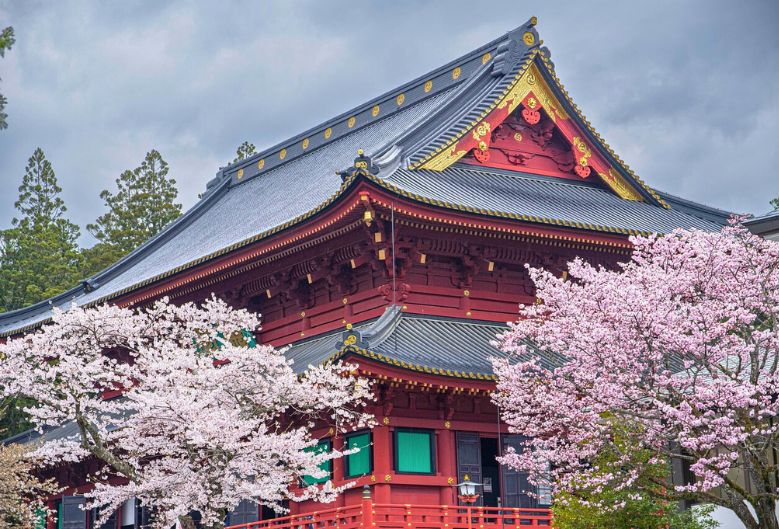
Red roof of Nikkozan Rinnoji Temple in Nikko

Nikko is a stunning destination, tucked a world away from the hustle and bustle of the neon-lit streets of Tokyo.  The small, historic mountain town sits in Tochigi Prefecture, and is best known for its ornate UNESCO Shrines and temples, scenic views, and autumn foliage. Located around two hours north of Tokyo, Nikko is an ideal destination for a day trip from Tokyo.

Nikko has long been a popular day trip from Tokyo, as well as an overnight destination. This itinerary will take you though Nikko’s famous shrines, temples and attractions, enabling visitors to immerse themselves in this culturally significant area. 

To get the most out of your day trip to Nikko, be sure to leave Tokyo early. Aim to be leaving Tokyo by around 8:00am. This will ensure that you have most of the day to explore Nikko. As this is a self-guided intinery, these items on this list are our recommendations, and you may chose to spend longer in places, skip destinations, or re-arrange your day as you please.

Recommended Route Interactive Map

Getting to Nikko from Tokyo

Train to Nikko

Nikko is located about a 2 hour train ride from Tokyo. Getting to Nikko depends on what passes you may or may not have already, with options for those with the Japan Rail Pass, those getting the Nikko Pass, or those just wanting to pay with cash. However, both the Japan Rail Pass and Nikko Pass provide a more cost effective travel option compared to paying individual fares. 

Using JR Lines Non JR-Lines
Departure Station
Tokyo or Ueno Station
Tobu Asakusa Station
Travel Time
About 2 Hours
About 2 Hours
Lines
JR Tohoku Shinkansen & Nikko Line
Tobu Nikko Line
Transfers Required
Yes, change from the Shinkansen to the Nikko Line at Utsunomiya Station.
No, this is a direct service to Nikko.
Arrival in Nikko
JR Nikko Station
Tobu Nikko Station
Fares Covered By
Japan Rail Pass
Nikko Pass
Fare Without Passes
5410 Yen One Way
3050 Yen One Way

The good news is that regardless of which route you take – either route gets you pretty much to the same place. JR Nikko and Tobu Nikko Station are only 200 meters apart from each other, and both have a convenient bus stop located right outside each station. 

If you already have the Japan Rail Pass, using it to get to Nikko is worthwhile, as the bulk of your transport cost in this itinerary is getting to and from Nikko. However, if you don’t have the JR Pass, or are planning on staying overnight in Nikko, then the Nikko Pass is more worthwhile, as it also includes local bus lines, which are perfect for exploring Nikko to it’s fullest.

Exploring Nikko

Depart JR Nikko Station / Tobu Nikko Station

1. See the Famous Shinkyo Bridge

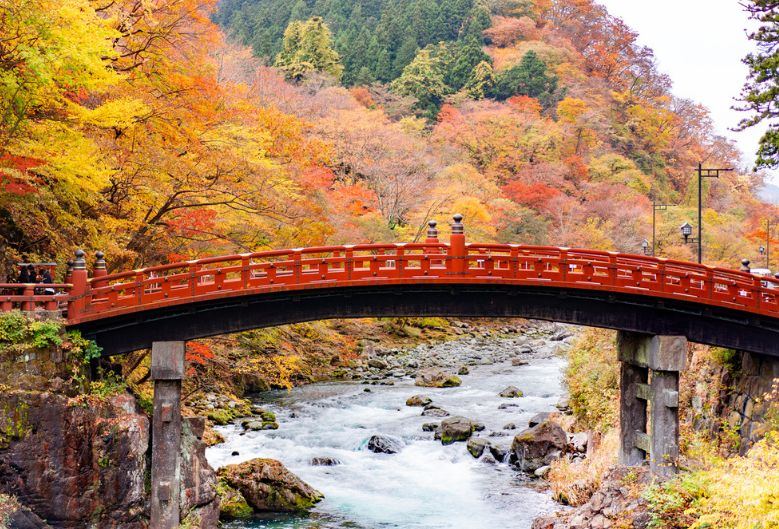
The iconic red painted Shinkyo Bridge with autumn foliage in the hills and a flowing river.

The Shinkyo Bridge (神橋, “Sacred Bridge”) is an iconic and sacred bridge in Nikko, known for its striking vermilion finish. Belonging to Futarasan Shrine, the Shinkyo Bridge is the gateway to Nikko’s historic shrines and temples. The current structure dates back to 1636, though it has been restored multiple times due to flood damage, as well as modern strengthening to remain safe to this day. Until 1973, the bridge was off-limits to the general public because it was regarded as a sacred structure, connecting Nikko to the sacred shrines and temples.


Read More ->

2. Visit Rinnoji Temple, & Stroll through the Shoyo-en Garden

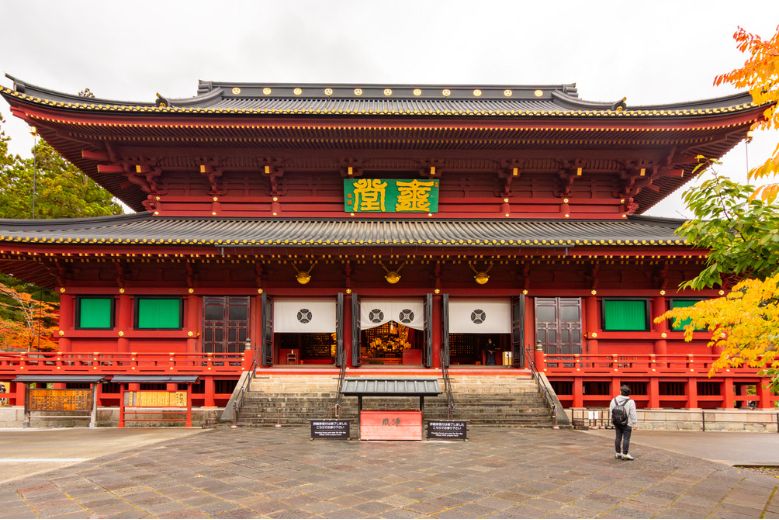
Ronnoji Temple in Nikko, Tochigi Prefecture, a popular stop on day trips

The next stop is Rinnoji Temple (輪王寺, Rinnōji), among Nikko’s most significant and important temples, founded by Shodo Shonin, the Buddhist monk who introduced Buddhism to the town of Nikko in the 8th century.

Sanbutsudo, the Temple’s main building, houses large gold lacquered wooden statues of Nikko’s Buddhist manifestations of the mountain deities,  Senju-Kannon (Kannon with thousand arms), Bato-Kannon (Kannon with a horse head), and Amida. 

Visitors to the temple can also visit the Treasure Hall – featuring exhibits related to Buddhism and Tokugawa Iyasu. A short walk from the Rinnoji, you can find Shoyoen, a small Japanese style garden located behind the treasure house. Much like the rest of Nikko, Autumn is one of the busiest times to visit Shoyoen, as the garden features many Japanese maple trees. 


Read More ->

3. Visit the opulent Toshogu Shrine

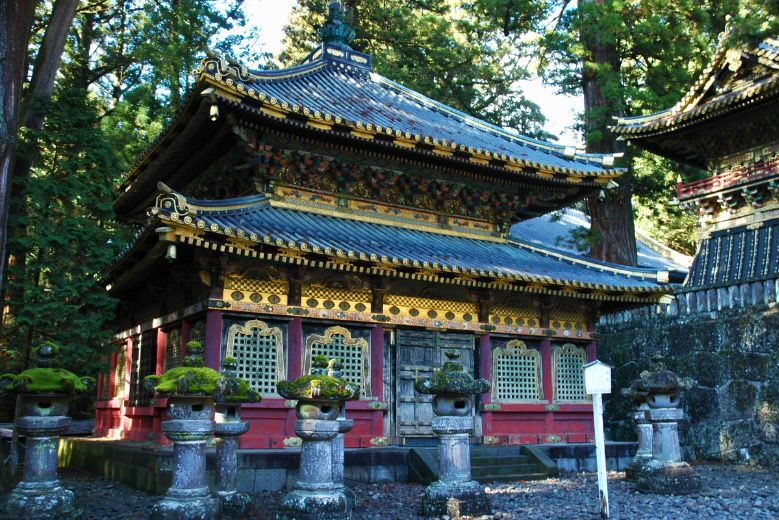
The third stop of the day is at the opulant Toshogu Shrine (東照宮). It is the final resting place of Tokugawa Ieyasu, the founder of the Tokugawa Shogunate, which ruled Japan for over 250 years. Unlike many traditional shrines with minimalist aesthetics, Toshogu Shrine is famous for its lavish carvings, vibrant colors, and intricate gold leaf details, making it one of Japan’s most visually stunning religious sites.

The shrine complex contains numerous buildings, gates and decorative features, many of which are designated National Treasures or Important Cultural Properties. Visitors should allow sufficient time to explore the grounds, as some of the most notable details are found in the carvings and ornamentation above and around the main entrances.

4. Break for lunch

After a busy morning of travelling from Tokyo and exploring Nikko’s ancient shrines and temples, you may start feeling hungry. There are dozens of great places for lunch all throughout Nikko, from traditional restaurants to friendly cafes. For the best flow of the day, we recommend heading to Yasukawacho for lunch, as this neighbourhood is nearby to Toshogu Shrine and avoids double-backing as part of this itinerary. While your choice of where and lunch occurs, for a unique dining experience in Nikko, we’ve provided some standout restaurants that serve local speciality dishes. 

'Yuba Tofu'

Yuba Tofu is a popular dish in Nikko, made from the protien-rich thick skin that forms when boiling soy milk. It is typically either eaten alone, or used as an ingredient in noodle dishes. Nikko has a lot of Soba noodle restaurants, and many of them serve Yuba Tofu on their menu.

If you’d like to try Yuba Tofu, we recommend the following restaurants;

Tochigi Beef

Nikko is also well-known for Tochigi Beef – wagyu beef that comes from local cows in the surrounding Tochigi Prefecture. Local restaurants serve it as steaks, sukiyaki, shabu-Shabu and beef bowls. If you want to try these meals, check out;

5. Explore the Kanaya Hotel History Museum

Photo: Suikotei, CC BY 4.0. Cropped from original.

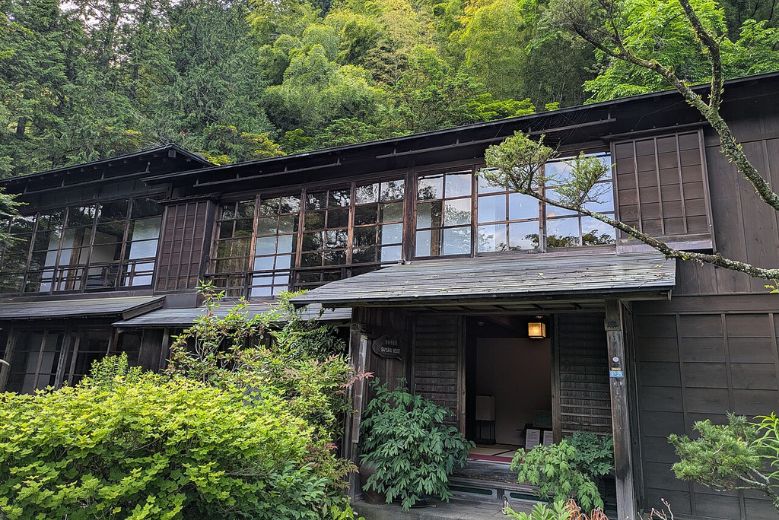
After lunch, we recommed exploring the the Kanaya Hotel History House (金谷ホテル歴史館, Kanya Hotel Rekishikan) a historical building to the west of Toshgu Shrine, that served as the predecessor of the long celebrated Kanaya Hotel which was one of the Nikko’s first hotels. The house is open for the public to explore, providing an indepth look at what Nikko was like centuries ago. Explore traditional tatami rooms, wooden corridors and intricate stairways inside the historic residence.


When Japan opened up for international visitors during the mid 1850’s, Nikko became a popular resort town among the people conducting business and foreign diplomats in Japan. The Kanaya Hotel has been one of the premier hotels in the area for accommodating such guests and today stands as the oldest Western-style hotel in all of Japan. While a more modern facility was built, located one kilometer down the road on a hill above the Shinkyo Bridge, its history began at the Kanaya Hotel History House.

6. Wander through Tamozawa Imperial Villa

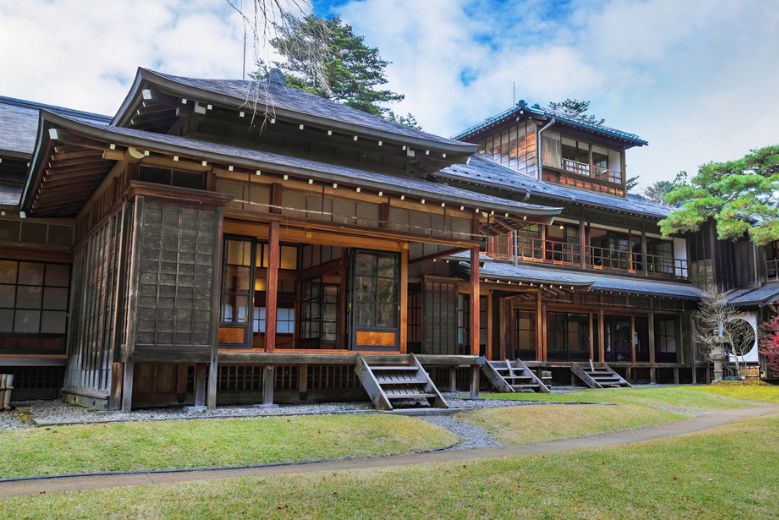
Tamozawa Imperial Villa Memorial Park, surrounds the historic Tamozawa Imperial Villa, which served as a retreat for members of Japan’s Imperial Family. The villa combines traditional Japanese architectural styles with elements of Western design, reflecting the changing tastes of the late 19th and early 20th centuries.

The surrounding park offers a peaceful setting for a stroll, with landscaped gardens, seasonal foliage and views of the historic residence. Visitors can also explore the villa’s extensive interior, including tatami rooms, traditional wooden corridors and rooms once used by the Imperial Family. It is a worthwhile stop for those interested in Japanese architecture, imperial history and gardens, providing a quieter alternative to Nikko’s more famous shrines and temples.

7. Stroll through Kanmangafuchi Abyss

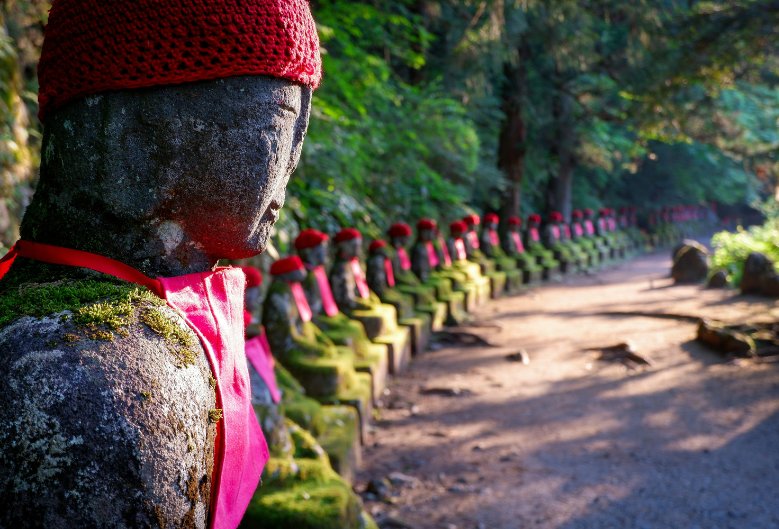
Kanmangafuchi Abyss has a collection of 70 Stone Jizo statues

Kanmangafuchi Abyss (憾満ヶ淵) is a scenic gorge and riverside walking trail found near central Nikko, and is the last stop on the itinerary. It was formed by lava flow following eruptions from the nearby Mt. Nantai on the shores of Lake Chuzenji. 

The most famous feature of Kanmangafuchi is its line of stone Jizō statues,  small Buddhist guardians of travellers, children, and the souls of the deceased. Locally, they are known as the “Bake Jizō” (meaning “Ghost Jizō”) because legend says their number can never be counted the same twice.  Offiically, there are approximately 70 stone Jizo Statues found at Kanmangafuchi Abyss. Each statue is dressed in a red knitted cap and bib, lovingly replaced by locals and monks over time, adding a splash of color to the otherwise quiet and moss-covered landscape.

The walking trail at the Kanmangafuchi Abyss is flat and easy, suitable for most walkers. It should take about 20-30 minutes to complete the trail.

8. Head back to Nikko Station

That concludes this one day trip to Nikko. And while most may choose to head back to Tokyo from here, if you’re not quite done with Nikko, then we suggest turning your Nikko Day trip into an overnighter. If you stay overnight, you open up so much more. A second day in Nikko allows you to explore beyond the historic temples, through to the natural beauty of the surrounding region. Spend another day exploring Lake Chuzenji, the impressive Kegon Falls, or take a scenic walk through the mountainous landscapes of Nikko National Park. You could also visit one of the area’s traditional onsen, offering the perfect opportunity to relax after a day of sightseeing.


Where to stay in Nikko

Staying overnight also gives you the chance to experience a quieter side of Nikko, once the day-trippers have returned to Tokyo. With traditional ryokan, local dining and a more relaxed atmosphere, there’s plenty of reason to slow down and stay a little longer.

Nikko Tokinoyuu

Nikko Tokinoyuu

Experience the true essence of Japanese culture at Nikko Tokinoyuu Hotel with their range of beautifully designed and spacious rooms.

Nikko Station Hotel Classic

Nikko Station Hotel Classic

Popular historic western-style hotel in the heart of Nikko, perfectly located for exploring Nikko. 

Chuzenji Kanaya Hotel

Chuzenji Kanaya Hotel

A historic lakeside resort with onsen baths and stunning views.
Explore Nikko

Top Attractions

Kegon Falls, Tochigi Prefecture, with Lake Chuzenji in the background.

Kegon Falls

One of Japan's most famous waterfalls
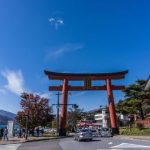
Lake Chuzenji is a stunning attraction in Tochigi Prefecture

Lake Chuzenji

Scenic and relaxing lake town
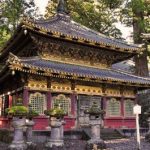
Togoshu Shrine building

Toshogu Shrine

One of Japan’s most opulent and historically significant shrines
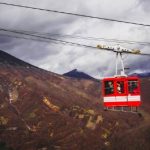
The red car of Akechidaira Ropeway, with mountain views in the background

Akechidaira Ropeway

Panoramic Views of Lake Chuzenji, Kegon Falls, and more
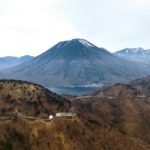
Mt. Nantai in Tochigi Prefecture

Mt. Nantai

Popular hiking mountain in Nikko
Explore more in Tochigi Prefecture

The red car of Akechidaira Ropeway, with mountain views in the background

Akechidaira Ropeway

Panoramic Views of Lake Chuzenji, Kegon Falls, and more
Kanmangafuchi Abyss has a collection of 70 Stone Jizo statues

Kanmangafuchi Abyss

Scenic riverside park with numerous stone statues

Kegon Falls, Tochigi Prefecture, with Lake Chuzenji in the background.

Kegon Falls

One of Japan's most famous waterfalls
Kirifuri Falls in Tochigi prefecture, surrounded by colourful autumn foliage.

Kirifuri Waterfalls

Two-tiered waterfall surrounded by beautiful forest

Lake Chuzenji is a stunning attraction in Tochigi Prefecture

Lake Chuzenji

Scenic and relaxing lake town

Mt. Nantai in Tochigi Prefecture

Mt. Nantai

Popular hiking mountain in Nikko

Scroll to Top